RERA Delayed Possession & Compensation: How Sarjapur Road Buyers Can Claim 2026
Published 14 Jul 2026 · Last updated 14 Jul 2026

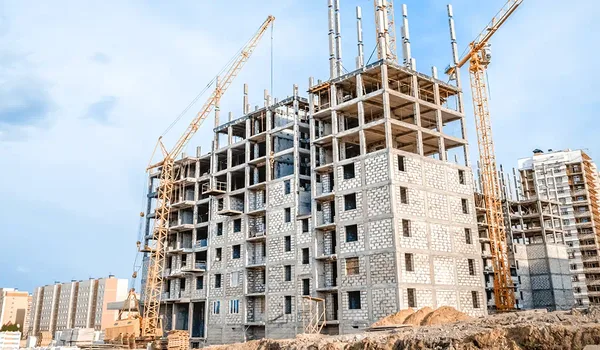
Delayed possession is one of the most common complaints in Indian residential real estate. RERA — the Real Estate (Regulation and Development) Act, 2016 — introduced a statutory remedy for exactly this situation: Section 18 gives an apartment buyer a clear right to either continue with the allotment and receive monthly interest compensation, or withdraw entirely and receive a full refund with interest. Understanding what triggers this right, how the compensation is calculated, and how to enforce it through the state RERA authority is useful information for any buyer in an under-construction project, whether or not a delay has occurred yet. This guide covers the Section 18 framework, the K-RERA complaint process for Karnataka, and how to prepare a credible claim.
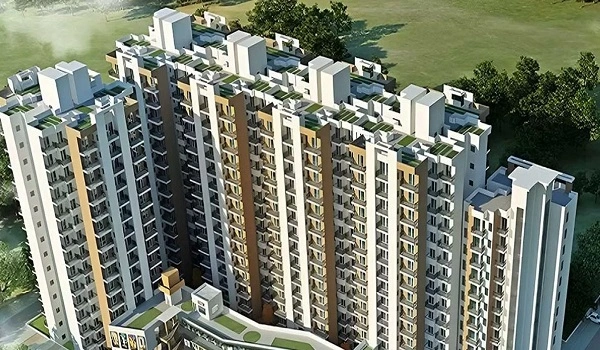
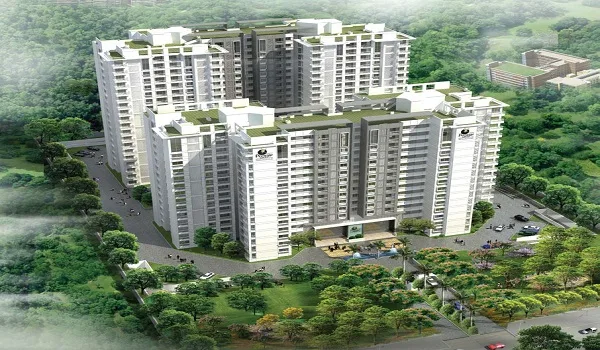
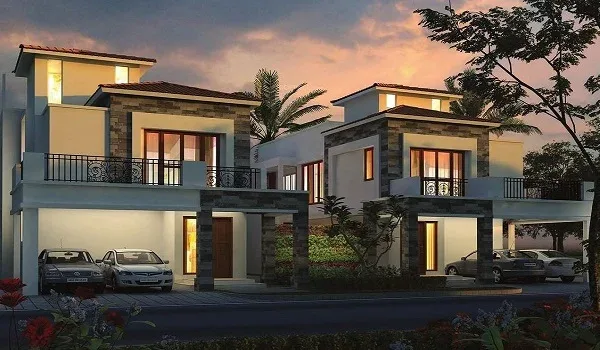
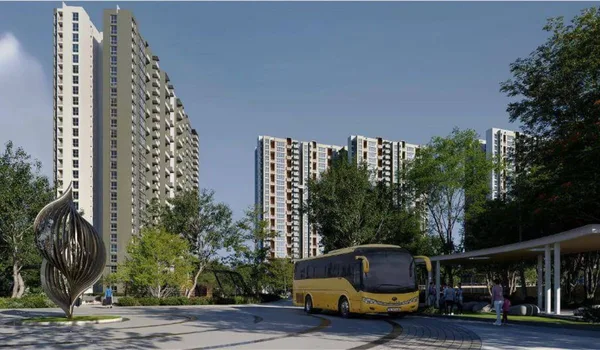
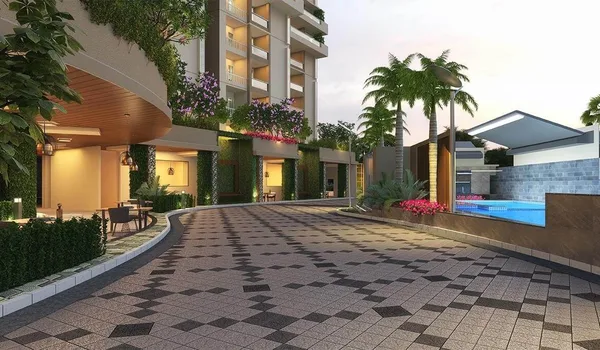
The frame of reference here is our featured pre-launch, Prestige Sarjapur Road by Prestige Group, with 1, 2 and 3 BHK homes from about ₹68.25 L at Ittangur on Sarjapur Road in Bengaluru. The RERA framework is set by statute; state rules and K-RERA's procedural requirements may be updated — verify current filing fees, timelines and portal procedures on the K-RERA website and consult a RERA-specialized lawyer before filing any complaint.
What RERA Section 18 Entitles a Buyer to
Section 18 of the Real Estate (Regulation and Development) Act, 2016 states that if a promoter (builder) fails to complete or hand over possession of an apartment by the date specified in the registered agreement for sale, the buyer is entitled to a remedy. The right under Section 18 is a statutory right — it exists regardless of what the builder-buyer agreement says about delay penalties, and cannot be contractually waived or reduced below the statutory standard in an RERA-registered project.
The section provides two distinct options, and the buyer chooses which to exercise. The first option is to continue with the allotment: the allotment remains valid, possession is still expected, and the builder must pay interest at SBI MCLR plus 2% per annum on the amounts already paid by the buyer, for each month (or part of a month) of delay. The second option is to withdraw: the buyer surrenders the allotment and the builder must refund all amounts paid, together with interest at SBI MCLR plus 2% from the date of each payment to the date of refund. The two options are mutually exclusive — choosing withdrawal closes the allotment.
How the Compensation Amount Is Calculated
The compensation rate under Section 18 is SBI MCLR (Marginal Cost of Funds-based Lending Rate) plus 2% per annum. SBI MCLR is set and published by the State Bank of India and changes periodically with the Reserve Bank of India's repo rate cycle. The one-year SBI MCLR is typically used as the reference rate, though this may be specified differently under Karnataka's RERA rules — confirm the applicable tenor with a RERA lawyer.
The amount is applied to the sums actually paid towards the apartment (not the total agreement value or the full cost including future instalments not yet paid), from the date of the delay onwards for each month of delay. The illustration below uses hypothetical figures to show how the computation works; actual SBI MCLR rates vary and must be verified at the time of computation.
| Item | Illustrative figures |
|---|---|
| Total amounts paid by buyer to date | Rs 50,00,000 |
| SBI MCLR (one-year, illustrative) | 8.75% per annum |
| Section 18 rate | 8.75% + 2.00% = 10.75% per annum |
| Monthly rate | 10.75% ÷ 12 ≈ 0.896% per month |
| Compensation for 6 months of delay | Rs 50,00,000 × 0.896% × 6 ≈ Rs 2,68,750 |
| Compensation for 12 months of delay | Rs 50,00,000 × 0.896% × 12 ≈ Rs 5,37,500 |
Continue with Compensation or Withdraw and Get a Refund
The choice between the two Section 18 options is an important financial decision, not just a legal one. Choosing to continue with the allotment (Option A) preserves your flat — the builder remains obligated to deliver it, and the interest compensation that accrues partially offsets the cost of delayed possession (a substitute rental or a continuing home-loan EMI without possession). The compensation does not automatically flow to you; in most cases you will need to file a complaint with the RERA authority to compel payment.
Choosing to withdraw (Option B) means you receive all amounts paid back with interest, but you lose the allotment. If property prices on Sarjapur Road have risen materially since you booked, the refund may be worth less in real terms than the current market value of the flat — you would receive your original cost with interest, but the flat you could have bought for that amount has appreciated. Withdrawal is the financially correct choice if you no longer want the flat for any reason, or if the delay is so extended that you have no confidence in eventual delivery. Take advice from a RERA-specialized lawyer and a financial advisor before choosing Option B, particularly in a rising market.
| Feature | Option A: Continue, receive compensation | Option B: Withdraw, receive refund |
|---|---|---|
| Allotment status | Remains intact; flat is still yours | Surrendered on processing of refund |
| Builder's obligation | Pay SBI MCLR + 2% per annum on amounts paid for each month of delay | Refund all amounts paid with SBI MCLR + 2% interest from date of each payment |
| When you get the money | May require RERA order to compel; paid monthly or on settlement | On processing of refund; RERA may direct a specific timeline |
| Reversibility | You can still choose withdrawal later if delay continues | Once refund is received, allotment is permanently closed |
| Best suited when | You still want the flat; prices have risen; you expect eventual delivery | You no longer want the flat; prices have fallen; delivery is doubtful |
How to File a Complaint with K-RERA
In Karnataka, RERA complaints are filed with the Karnataka Real Estate Regulatory Authority (K-RERA) through its online portal at rera.karnataka.gov.in. A complaint under Section 31 of RERA (the general complaint provision for allottees) is the standard route; a Section 18 relief application is typically included within or attached to the Section 31 complaint.
Before filing, gather the documents listed in the table below. Once you submit the online complaint and pay the prescribed filing fee, you receive a complaint number. The K-RERA office serves notice on the builder (the respondent), who has a set period to file a written response. The matter is then scheduled for hearing before the adjudicating officer — hearings may be in person at the K-RERA office or virtual, depending on the authority's current practice. Either party can be represented by an advocate.
| Document | Why it is needed |
|---|---|
| Registered builder-buyer agreement / agreement to sell | Establishes the agreed possession date, payment schedule and unit details |
| Payment receipts and bank transfer records | Proves amounts paid and the dates of each payment — the basis for interest computation |
| RERA project registration certificate / portal printout | Confirms the project is RERA-registered and shows the registered possession date |
| Allotment letter / booking confirmation | Establishes your identity as an allottee and the unit number |
| Demand letters from builder | Shows payment history and any builder communications about progress or delay |
| Written correspondence about delay | Emails, letters or chat records in which the builder acknowledges delay or makes possession promises |
| Home-loan sanction letter and disbursement records (if applicable) | Relevant if claiming interest on loan amounts paid; shows disbursed sums and EMI paid during delay |
What to Expect from the K-RERA Process
RERA was designed to provide faster resolution than civil courts. In practice, adjudicating officers at K-RERA typically hear and decide delayed-possession complaints within a few months of filing, though actual timelines vary with case volume and complexity. The process is as follows: after the builder files their response, hearings are held where both parties present their case; the adjudicating officer then passes an order. Section 18 orders typically direct the builder to pay the computed interest (or refund plus interest) within a stated number of days.
If either party is aggrieved by the K-RERA order, an appeal lies to the Real Estate Appellate Tribunal (REAT) within 60 days. RERA orders are enforceable as decrees of civil courts — if the builder fails to comply, the allottee can apply for enforcement, and non-compliance can attract penalties and recovery proceedings against the builder. Maintain copies of the RERA order and all enforcement filings in case you need to pursue compliance.
Building a Strong Delayed-Possession Claim
The strength of a delayed-possession claim rests on documentation. The registered possession date from the K-RERA portal — not the date in any cover letter or builder notification — is the date you measure the delay from. Cross-check this date against your BBA, because some agreements contain a separate grace period beyond the RERA-registered date during which Section 18 does not yet apply. Know exactly which date triggers your right.
Compute the interest yourself before filing so you can verify the builder's computation if they offer a settlement. Use actual payment dates and actual SBI MCLR rates for each period of delay. If your builder has filed for an extension of the RERA possession date with the K-RERA authority, check the portal to see whether the extension was granted and what the new registered date is — an approved extension may shift the start of your delay clock.
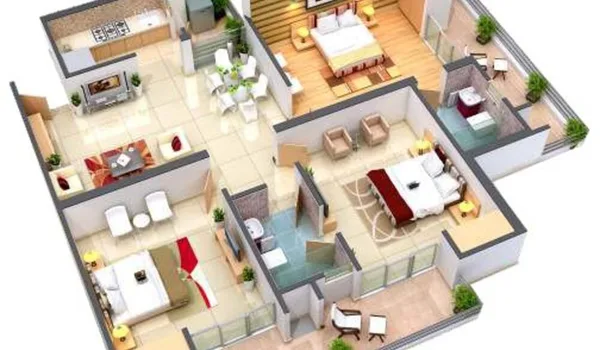
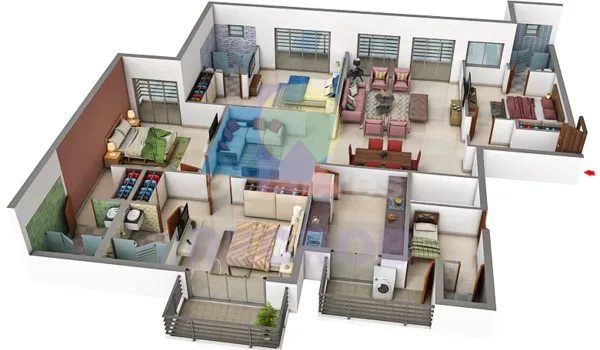
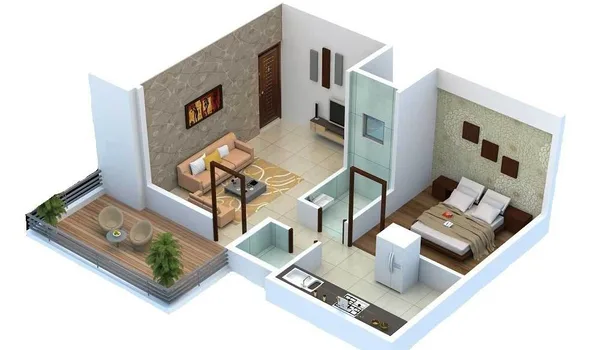
Engage a RERA-specialized lawyer before filing, particularly if the amounts involved are significant or if the builder has also delayed completion of common amenities, for which separate RERA provisions may apply. Review your unit's details on the floor plans page, check pricing information on the price page, and reach the developer through the contact page with project status queries before proceeding to a formal complaint.
Frequently Asked Questions
1. What is RERA Section 18 and what does it entitle me to?
Section 18 gives two options when possession is delayed past the registered date: continue with the allotment and receive SBI MCLR plus 2% interest per month of delay, or withdraw and receive a full refund of all amounts paid with the same interest from the date of each payment.
2. How is RERA delayed possession compensation calculated?
The rate is SBI MCLR plus 2% per annum, applied to amounts you have paid towards the flat for each month of delay. SBI MCLR is published by the State Bank of India and changes periodically; use the prevailing rate for each month.
3. Can I withdraw from the project under RERA and get a full refund?
Yes. Under Section 18, if possession is not given by the registered date (plus any BBA grace period), you may withdraw and the builder must refund all amounts paid with SBI MCLR plus 2% interest. Once the refund is received the allotment is permanently closed.
4. How do I file a RERA complaint in Karnataka for delayed possession?
File under Section 31 on the K-RERA portal at rera.karnataka.gov.in with the registered BBA, payment receipts and RERA project registration number. After submission you receive a case number; the builder is served notice and hearings are scheduled.
5. What is the grace period and does it affect my Section 18 rights?
The grace period is a contractual window in the BBA — typically 6 to 12 months — beyond the RERA possession date during which the builder is not liable for the delay penalty. Section 18 rights are triggered only after this period expires; check your specific BBA.
6. Does filing a RERA complaint affect my flat allotment?
Filing for compensation under Option A does not cancel your allotment. The flat remains booked; only choosing Option B (withdrawal) and receiving the refund permanently ends the allotment.
Conclusion
RERA Section 18 gives apartment buyers a statutory right when possession is delayed: continue with the allotment and receive interest compensation at SBI MCLR plus 2% per annum on amounts paid, or withdraw and receive a full refund with the same interest from the date of each payment. The right is triggered by failure to deliver by the registered possession date (plus any contractual grace period in the BBA) and cannot be contractually waived below the RERA floor in a registered project. Compensation is calculated on amounts actually paid, not the total agreement value, at the SBI MCLR rate prevailing for each month of delay. The choice between continuing and withdrawing is both legal and financial — rising prices may make continuing with compensation the better option even during a significant delay. Filing a complaint with K-RERA through the online portal is the enforcement mechanism; gather the registered BBA, payment receipts, RERA registration details and all correspondence before filing, and engage a RERA-specialized lawyer for drafting and hearings. K-RERA orders are enforceable as civil court decrees. Verify the registered possession date on the K-RERA portal, know your BBA's grace period, and compute your interest entitlement before any builder settlement discussion.
Prestige Sarjapur Road Blog