Home Loan & Registration Costs for Sarjapur Road Apartment Buyers 2026
Published 30 Jun 2026 · Last updated 30 Jun 2026
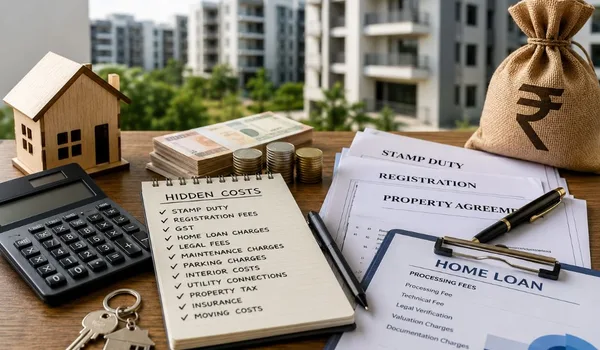
The price you see on a Sarjapur Road project's brochure is not the price you pay. The true cost of buying an apartment includes the base price plus stamp duty, registration, cess and surcharge, possibly GST if the home is under construction, and a set of smaller charges for legal work, khata and your loan. On top of that, most buyers fund the purchase with a home loan, which adds a down payment up front and interest over the years. This guide walks you through each of those numbers so you can plan the all-in cost before you sign anything.
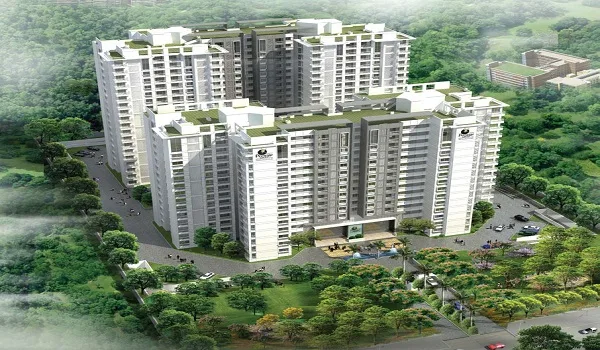
The worked figures here use our featured pre-launch, Prestige Sarjapur Road by Prestige Group, as the example base price, with 1, 2 and 3 BHK homes from about ₹68.25 L at Ittangur. For the wider corridor, see our Sarjapur Road guide. Every government rate below is indicative and must be confirmed at the time of registration; every loan and EMI figure is an illustration only.
Stamp Duty and Registration in Karnataka
Stamp duty and registration are state charges you pay to the government to record the sale in your name. In Karnataka they are calculated on the higher of the agreed sale value or the guidance value set for that area. As an indicative structure, stamp duty is about 5% for properties priced above ₹45 lakh, lower for cheaper homes, and the registration charge is about 1%, with a cess and surcharge added on top. The table below shows the commonly cited slab pattern.
| Property value slab | Indicative stamp duty | Indicative registration |
|---|---|---|
| Above ₹45 lakh | ~5% | ~1% |
| ₹21 lakh – ₹45 lakh | ~3% | ~1% |
| Below ₹20 lakh | ~2% | ~1% |
For an apartment above ₹45 lakh — which covers most new Sarjapur Road homes — you should plan for roughly 6% to 7% of the property value going to stamp duty, registration, cess and surcharge combined. Because Prestige Sarjapur Road's entry homes sit above the ₹45 lakh mark, they fall in the top slab. Bottom line: set aside about 6% to 7% of the value for stamp duty and registration as an indicative figure, then verify the exact rate on the Kaveri portal before you register.
Home Loan Basics
Most buyers on this corridor fund the purchase with a home loan. Lenders work to RBI norms and typically finance up to about 75% to 80% of the property value, known as the loan-to-value or LTV ratio. The balance is your down payment. Loan tenures usually run up to about 20 to 30 years, and interest rates in 2026 sit in an indicative band of roughly 8.5% to 9.5%, varying by lender, loan size and your credit score. Your monthly repayment, the EMI, blends principal and interest across the tenure.
Eligibility turns on three things: your income, your credit score and your existing obligations. Lenders measure affordability through FOIR, the share of your monthly income already committed to EMIs; a lower FOIR and a higher credit score generally mean a larger sanction and a better rate. The illustration below shows how an EMI moves with loan amount and tenure at an indicative rate.
| Loan amount | Indicative rate | Tenure | Approx EMI |
|---|---|---|---|
| ₹50 lakh | ~9% | 20 years | ~₹45,000 |
| ₹50 lakh | ~9% | 30 years | ~₹40,200 |
| ₹55 lakh | ~9% | 20 years | ~₹49,500 |
| ₹55 lakh | ~9% | 30 years | ~₹44,200 |
A longer tenure lowers the monthly EMI but raises the total interest you pay over the life of the loan, while a shorter tenure does the reverse. Run the trade-off against your income and how long you plan to hold the home. Bottom line: expect to fund about 75% to 80% of the value through a loan at an indicative 8.5% to 9.5%, but treat every EMI figure here as illustrative until a lender issues a sanction letter.
Down Payment and Ancillary Costs
The down payment is the part of the price the loan does not cover — usually about 20% or more of the property value, paid from your own funds. Beyond it, several smaller costs add up. If the home is under construction, GST applies, indicatively at 5% without input tax credit for non-affordable units; the affordable category attracts a lower rate. GST does not apply to a ready or completed resale unit where the completion certificate has already been issued, so a ready home avoids that line entirely.
The remaining charges are easy to overlook but real: legal and documentation fees for title verification and the sale deed, khata transfer to record the property in the municipal register, a mortgage or charge-creation fee when the loan is secured against the home, the lender's processing fee, and brokerage if you buy through an agent. The table groups the main cost heads so you can see the full picture at a glance.
| Cost head | Indicative basis | When it applies |
|---|---|---|
| Down payment | ~20%+ of value | Always, paid up front from own funds |
| Stamp duty | ~5% above ₹45 L (indicative) | At registration |
| Registration charge | ~1% (indicative) | At registration |
| GST | ~5% without ITC (indicative) | Under-construction units only |
| Legal & documentation | Varies | Title check and sale deed |
| Khata transfer | Varies | Municipal record update |
| Mortgage / processing fee | Varies by lender | When taking a home loan |
Bottom line: a ready home skips GST while an under-construction one does not, and the smaller legal, khata and loan fees still add up — factor them in early rather than as a surprise at closing.
A Worked Total-Cost Walkthrough
Take Prestige Sarjapur Road's indicative entry price of about ₹68.25 L as the example base. Because it sits above the ₹45 lakh slab, the top stamp duty band applies. The walkthrough below shows how the headline price grows once the government charges and your down payment are layered on. Every figure is indicative and rounded for illustration; the developer's live cost sheet and the sub-registrar's current rates are the only final numbers.
| Component | Indicative basis | Approx amount |
|---|---|---|
| Base price (example) | Entry ticket | ~₹68.25 L |
| Stamp duty | ~5% of value | ~₹3.41 L |
| Registration charge | ~1% of value | ~₹0.68 L |
| Cess & surcharge | Added on top | Verify on Kaveri portal |
| Loan down payment | ~20% of base | ~₹13.65 L from own funds |
| Indicative loan | ~80% of base | ~₹54.60 L financed |
Read this as a planning sketch, not a quotation. The base sits around ₹68.25 L, stamp duty and registration add roughly ₹4 L plus cess and surcharge, and of the base you would pay about ₹13.65 L as down payment with the rest funded through a loan whose EMI you can estimate from the earlier illustration. GST would apply on top while the unit is under construction. Bottom line: on a ₹68.25 L example, plan for several lakh in indicative government and loan-linked costs above the sticker, and confirm each line before you commit.
How to Plan and Finance the Purchase
Work backwards from your monthly budget. Decide the EMI you can comfortably carry, keep your FOIR within a lender's comfort range, and build a fund that covers the down payment plus stamp duty, registration and the smaller charges — not just the down payment alone. Get a loan pre-approval so you know your real sanction before you shortlist, compare offers from more than one lender on rate and processing fee, and keep your credit score healthy in the months before you apply.
Confirm the project's K-RERA status before you pay, since a registered project gives you a documented payment schedule and recourse. Demand in Bengaluru along this corridor is supported by the nearby tech belt, which helps both end-use and resale, making it a reasonable area to fund with a home loan. Bottom line: get pre-approved, budget for the full set of charges and check K-RERA status before you part with money.
Verify the Live Cost Sheet
No online guide can replace the developer's current cost sheet. Unit price varies by configuration, floor and facing, and the government rates can change between today and your registration date. Before you commit, ask for the latest sheet, line by line, and match it against the indicative heads in this guide.
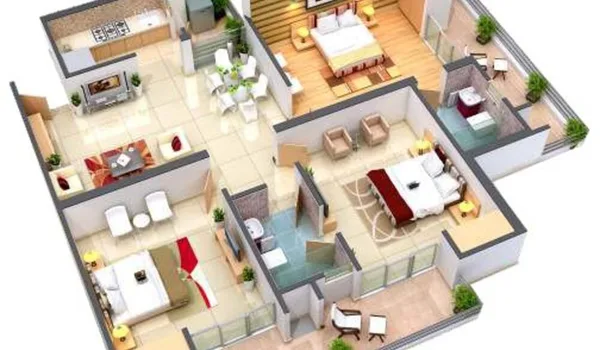
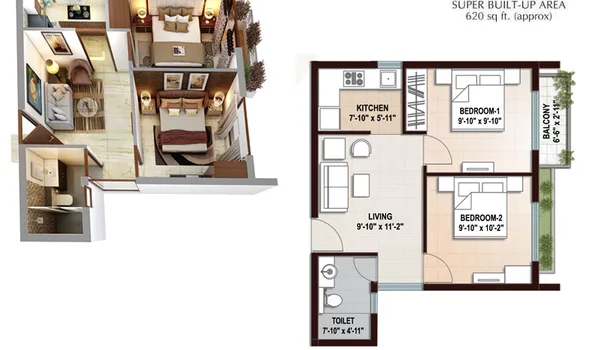
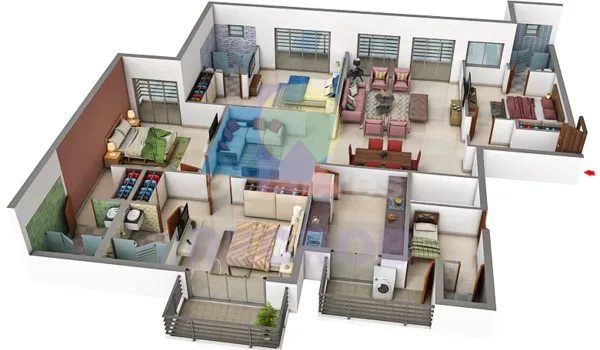
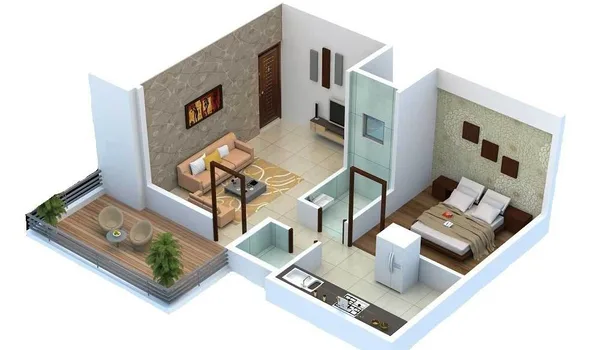
Compare the configuration-wise rates on the price list and the layouts on the floor plans, then request a written cost breakup through the contact page so every charge is documented before you book. Bottom line: treat this guide as a planning framework and the developer's live cost sheet plus the Kaveri portal as the final word on what you actually pay.
Frequently Asked Questions
1. What is the stamp duty on an apartment in Karnataka in 2026?
As an indicative guide, Karnataka stamp duty is about 5% for properties priced above ₹45 lakh, around 3% for the ₹21 to 45 lakh band and about 2% below ₹20 lakh, plus cess and surcharge. These slabs are set by the Karnataka government and can change, so confirm the current rate with the sub-registrar or on the Kaveri portal at the time of registration.
2. What is the registration charge for a flat in Bengaluru?
The registration charge in Karnataka is indicatively about 1% of the property value, payable on top of stamp duty, cess and surcharge. It is a government figure that can be revised, so verify the live rate with the sub-registrar or the Kaveri portal before you register.
3. Is GST charged on under-construction apartments on Sarjapur Road?
GST applies to under-construction homes, indicatively at 5% without input tax credit for non-affordable units, while the affordable category attracts a lower rate. GST does not apply to a ready or completed resale unit where a completion certificate has been issued. Confirm the applicable rate with the developer and your tax advisor.
4. What is the maximum home loan amount I can get?
As an illustration, lenders fund up to about 75 to 80% of the property value under RBI norms, with the rest paid as down payment. The actual sanctioned amount depends on your income, credit score and existing obligations measured through FOIR. Treat any figure as indicative until a lender issues a sanction letter.
5. Is Sarjapur Road a good place to take a home loan?
Sarjapur Road is an active residential corridor in Bengaluru with steady demand from the nearby tech belt, which supports both end-use and resale value. That makes it a reasonable area to fund a purchase with a home loan, provided you compare lender offers and confirm the project's K-RERA status and live cost sheet before committing.
6. What is the all-in cost over the base price of an apartment?
Beyond the base price, budget for stamp duty (indicatively about 5% above ₹45 lakh), registration (about 1%), cess and surcharge, GST if the unit is under construction, plus legal, khata, mortgage and processing charges. As a rough planning figure these add several percent to the sticker price, so always work from the developer's current cost sheet.
Conclusion
For a Sarjapur Road apartment in 2026, plan the full cost before you fall for the sticker price. Add an indicative 6% to 7% for stamp duty, registration, cess and surcharge, factor in GST while a unit is under construction, set aside the down payment and the smaller legal, khata and loan fees, and stress-test the EMI against your income. Government rates are indicative and loan numbers illustrative, so confirm each on the Kaveri portal and with your lender. To plan around Prestige Sarjapur Road's entry price, review its price list and floor plans, then request a written cost breakup through the contact page before you book.
Prestige Sarjapur Road Blog