Builder-Buyer Agreement & Sale Agreement: Key Clauses Guide for Sarjapur Road Buyers 2026
Published 14 Jul 2026 · Last updated 14 Jul 2026

The builder-buyer agreement (BBA) is the most consequential document a property buyer signs — and the one most often skimmed. A typical BBA for an apartment booking in Bengaluru runs 40 to 80 pages, and most buyers focus only on the payment schedule and the unit number before signing. The clauses that govern what happens if possession is delayed, if the builder wants to change the specifications, or if either party wants to cancel are buried in the middle and routinely overlooked. RERA has improved the baseline protections significantly since 2017, but a RERA-registered project does not mean a buyer-friendly BBA — the specific wording still matters, and some builders include clauses that are technically compliant with RERA while still being unfavourable in practice. This guide explains the clauses that deserve close attention before you sign.
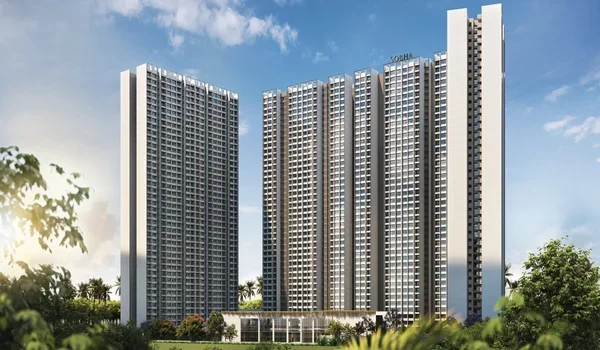
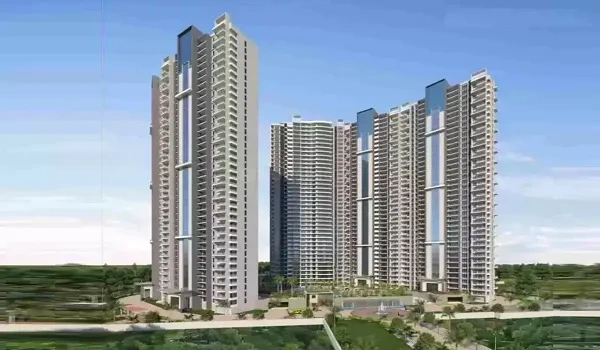
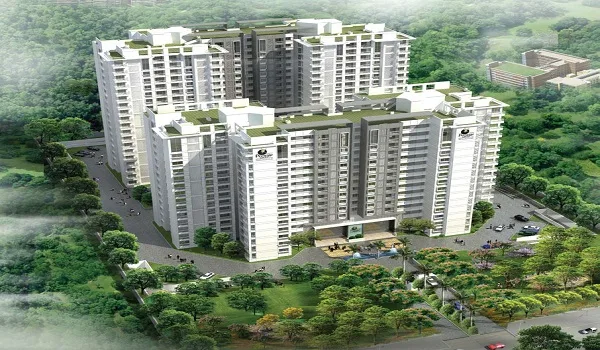
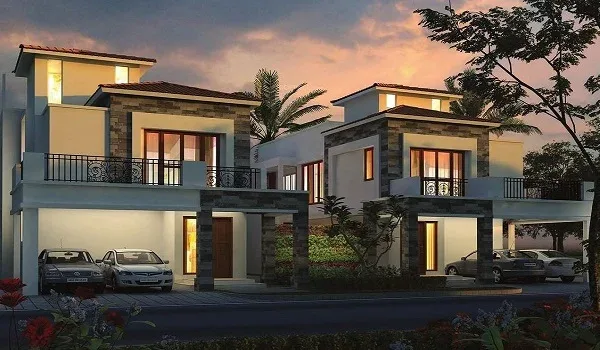
The frame of reference here is our featured pre-launch, Prestige Sarjapur Road by Prestige Group, with 1, 2 and 3 BHK homes from about ₹68.25 L at Ittangur on Sarjapur Road. Agreement terms and RERA norms are set by statute and may be updated by state government rules; confirm all current conditions with an independent property lawyer before you sign any document.
What Is a Builder-Buyer Agreement and Why It Matters
The builder-buyer agreement — also called the Agreement to Sell (ATS), Apartment Allotment Agreement, or Agreement for Sale — is the legal contract signed at the time of booking an under-construction or newly launched apartment. It records the unit number and specifications, the total consideration, the payment schedule, the committed possession date, and the obligations of both parties from the date of booking until possession and registration of the sale deed.
The BBA must be registered at the sub-registrar's office. Under RERA, no builder of a registered project can accept more than 10% of the apartment's cost as advance or booking amount before the BBA is executed and registered. This registration creates a public record of the buyer's interest in the property and prevents the builder from selling the same unit to another party. The BBA is distinct from the sale deed (conveyance deed) — that comes later, at or after possession, when ownership formally transfers. Both documents must be registered; the BBA establishes the right to receive, the sale deed completes the transfer.
Key Clauses to Read Before Signing
Six categories of clauses in a BBA deserve line-by-line attention. Buyers who spend two hours with a lawyer on these clauses before signing are far better positioned than those who discover unfavourable terms only at the point of delay or cancellation.
| Clause category | What it typically covers | What to watch for |
|---|---|---|
| Possession date | Specific date by which builder must hand over the completed flat | Vague language ("tentatively", "approximately") — RERA requires a firm date; accept nothing less |
| Grace period | Additional time beyond possession date before delay penalty kicks in | Grace periods of 6–12 months with no compensation during that window; negotiate to shorten or remove |
| Delay penalty / interest | Compensation payable for delivery past possession date plus grace period | Rates below the RERA SBI MCLR + 2% benchmark, or clauses capping total compensation at a fixed amount |
| Specification and plan change | Builder's right to substitute materials or alter the unit layout | Unilateral substitution rights; "equivalent or better" clauses without buyer consent; changes to common areas |
| Force majeure | Events that excuse the builder from delay penalty | Definitions broad enough to include regulatory approval delays or third-party contractor default — these are often within the builder's operational control |
| Cancellation and refund | Rights and consequences if either party cancels | Short cure periods for buyer payment default; high forfeiture percentages; narrow conditions for buyer-initiated cancellation |
| Dispute resolution | How disagreements are resolved — RERA tribunal, arbitration, or civil courts | Pre-RERA arbitration clauses that attempt to bypass the RERA tribunal; while RERA largely overrides these for registered projects, they complicate enforcement |
Possession Date, Grace Period and Delay Penalty
RERA requires the registered agreement to state a specific possession date. This date must be reflected on the RERA project registration portal, and any changes to it require the builder to apply for an RERA-approved extension — they cannot simply push the date unilaterally in a letter or notice. The registered possession date is the date against which your rights under RERA Section 18 (delayed possession compensation) are measured.
Most agreements include a grace period of 6 to 12 months beyond the possession date during which the builder is not liable to pay the delay penalty. This grace period is not mandated by RERA and is a contractual provision. Whether it applies, and for how long, is entirely what is written in your BBA. During the grace period, the builder has time to complete and hand over without penalty — but your allotment remains valid. After the grace period expires, the delay penalty provisions kick in. RERA's Section 18 sets the floor for this penalty: interest at SBI MCLR plus 2% per annum on amounts paid, for each month of delay. Some agreements set the delay penalty lower than this RERA floor, which a lawyer should identify and flag.
Specification Changes, Substitutions and Force Majeure
Builder-buyer agreements typically include a variation clause that allows the builder to substitute materials with alternatives of "equivalent quality" — for example, to replace a specified tile brand with a different brand if the original is unavailable. In practice, "equivalent quality" is difficult for a buyer to verify and enforce. At a minimum, any permitted substitution should require the builder to notify the buyer in writing before making the change, not after.
For major changes — alterations to the floor plan layout, changes to the number or size of rooms, or substantial changes to common-area amenities — RERA provides stronger protection: the builder cannot make such alterations without written consent from at least two-thirds of the allottees in the project. Check the BBA's variation clause against this RERA standard.
Force majeure clauses excuse the builder from the delay penalty when specific extraordinary events occur. Natural disasters, earthquakes, epidemics, wars and government-ordered shutdowns are standard and reasonable inclusions. Watch for broader drafting that includes: delays in obtaining regulatory approvals, litigation by third parties, changes in government policy on building materials, or default by subcontractors. None of these are the buyer's risk — they are standard operational risks for a builder and should not exempt the builder from the delay penalty.
Cancellation, Refund and Dispute Resolution Terms
The cancellation clause governs what happens when either party wants to exit. From the builder's side, the agreement usually allows cancellation if the buyer defaults on a payment instalment for more than 30 to 60 days after a reminder notice. The BBA typically requires the builder to refund amounts paid minus a forfeiture charge (often 5 to 15% of the total consideration, or the booking amount, whichever is specified). Compare the forfeiture amount in your BBA against any RERA state-level rules that may cap it.
From the buyer's side, the right to cancel voluntarily (without a builder default) is usually more limited — the agreement may allow cancellation only on forfeiture of the booking amount and sometimes additional charges. However, if the buyer is cancelling because of a builder default — delayed possession beyond the agreed date plus grace period — RERA Section 18 gives the buyer the right to withdraw and receive a full refund of all amounts paid, with interest at SBI MCLR plus 2%. This statutory right overrides any agreement clause that tries to limit the refund.
For dispute resolution, RERA provides a dedicated adjudicating officer and an appellate tribunal. Older (pre-2017) agreements sometimes contained arbitration clauses that required disputes to go to private arbitration, bypassing the courts entirely. RERA has significantly curtailed this for registered projects — RERA remedies run parallel to and are not ousted by such clauses — but check whether your BBA contains any such provisions and flag them with your lawyer.
| Protection | Pre-RERA agreements (before 2017) | RERA-era agreements (2017 onwards) |
|---|---|---|
| Possession date | Often stated as "tentative"; no firm deadline | Must be a specific date in the registered agreement |
| Delay compensation | Often nil, or nominal (Rs 5–10 per sq ft per month in some cases) | Statutory floor: SBI MCLR + 2% per annum on amounts paid |
| Plan and specification change | Builder could often alter layouts and specs unilaterally | Major changes require consent of 2/3 of allottees |
| Agreement registration | Not uniformly required; many agreements were unregistered | Mandatory for RERA-registered projects before any payment above 10% of total cost |
| Buyer's refund on withdrawal due to builder default | Varied widely; often just return of amounts without interest | Full refund plus SBI MCLR + 2% interest from date of each payment |
Reviewing the Agreement Before You Sign
Never sign the BBA on the same day you receive the draft. Ask for the full agreement including all schedules — the building specifications schedule, the payment plan schedule, the amenities schedule — as separate annexures are as legally binding as the main agreement but are often not read. Builders sometimes present the final agreement for signing at the sales office on the day of booking; politely decline and ask for the draft to take away and review.
Get an independent property lawyer to review the agreement — not the builder's empanelled lawyer, whose primary relationship is with the builder. A lawyer familiar with K-RERA norms and Karnataka conveyancing practice is best placed to identify clauses that deviate from statutory minimums or are one-sided in drafting. Compare the agreement's specifications and floor plan details against what is published on the RERA portal for the project — any discrepancy is worth raising with the builder before signing.
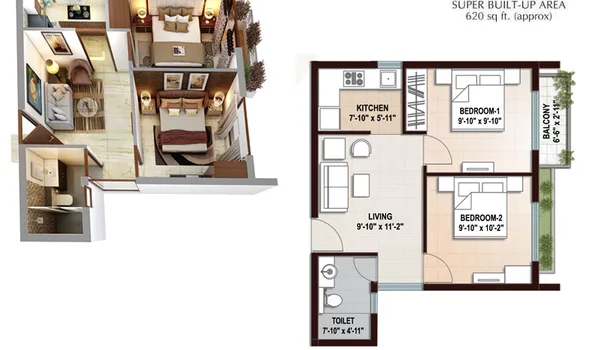
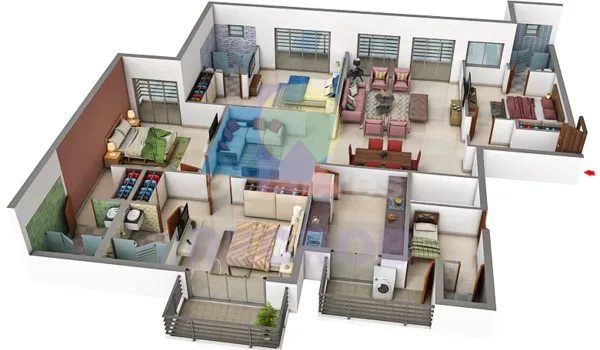
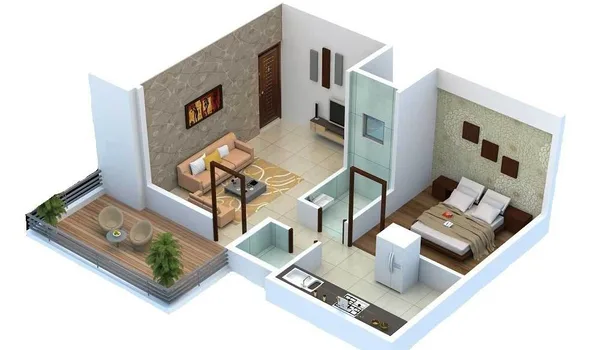
Review the unit details on the floor plans page, check cost components on the price page, and reach the developer through the contact page with any questions about the agreement's provisions before signing.
Frequently Asked Questions
1. Is the builder-buyer agreement the same as the sale deed?
No. The BBA is signed at booking and creates your right to receive the flat; the sale deed is executed at or after possession and formally transfers ownership. Both must be registered at the sub-registrar's office.
2. What does RERA say about possession dates in a builder-buyer agreement?
RERA requires a firm possession date in the registered agreement to sell. If the builder fails to deliver by that date (after any BBA grace period), you are entitled to interest compensation or a full refund with interest under Section 18.
3. What is a force majeure clause in a builder-buyer agreement?
Force majeure excuses the builder when extraordinary events beyond their control occur — natural disasters, wars or government-ordered shutdowns. Watch for broadly drafted clauses that extend to regulatory approval delays or contractor default, which are normally within the builder's operational control.
4. Can a builder change the apartment specifications after signing?
Minor material substitutions may be permitted, but RERA prohibits major changes to the sanctioned plan or specifications without written consent from at least two-thirds of allottees in the project.
5. What happens if I want to cancel the builder-buyer agreement?
If the builder has defaulted on possession, RERA Section 18 entitles you to a full refund of amounts paid with SBI MCLR plus 2% interest. Voluntary cancellation without a builder default is governed by the BBA's cancellation clause, which typically allows forfeiture of the booking amount.
6. Should I get a lawyer to review the BBA before signing?
Yes. An independent property lawyer can identify unfavourable clauses — broadly drafted force majeure, unilateral specification-change rights or delay-penalty terms below the RERA standard — that a casual reading may miss.
Conclusion
The builder-buyer agreement is where the legal relationship between buyer and builder is defined, and the clauses that matter most — possession date, grace period, delay penalty, specification changes, force majeure and cancellation — are the ones least commonly read before signing. RERA has raised the floor significantly since 2017: a specific possession date is mandatory, the delay penalty benchmark is SBI MCLR plus 2%, major plan changes require two-thirds allottee consent, agreement registration is compulsory before substantial advance payment, and full refund with interest is a statutory right on builder default. But a RERA-registered project does not guarantee a buyer-friendly BBA — the specific wording of grace periods, force majeure definitions and variation clauses can still be one-sided within RERA's framework. Always insist on receiving the full draft agreement and all schedules in advance, engage an independent property lawyer familiar with K-RERA norms to review it, and compare the unit specifications and project details on the floor plans and price pages before you sign.
Prestige Sarjapur Road Blog