Home Loan Tax Benefits Guide (Sections 80C, 24(b) & 80EEA) for Sarjapur Road Buyers 2026
Published 10 Jul 2026 · Last updated 10 Jul 2026

A home loan is a cost, but part of that cost can come back to you as tax savings — if you claim it correctly and under the right tax regime. For a Sarjapur Road buyer taking a loan in 2026, the tax rules are not an afterthought; they can shift your effective outgo by a meaningful amount each year. Yet many buyers either miss a deduction they are entitled to, or assume benefits they no longer qualify for. This guide walks through the three sections that matter, the regime choice that decides whether any of them apply, and how joint borrowers can claim more.
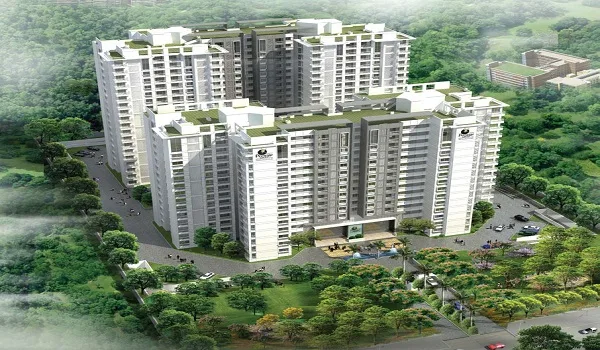
The example base here is our featured pre-launch, Prestige Sarjapur Road by Prestige Group, with 1, 2 and 3 BHK homes from about ₹68.25 L at Ittangur. For the wider corridor, see our Sarjapur Road guide. Tax law changes with each Budget and the numbers here are illustrative — treat this as a framework and confirm your own position with a chartered accountant before you file.
How Home Loan Tax Benefits Work
A home loan EMI has two parts, and the tax code treats them separately. The interest component is deductible under Section 24(b), and the principal component under Section 80C. On top of these, a first-time-buyer relief called Section 80EEA once offered extra interest deduction for qualifying loans. None of this is automatic — you claim it when you file your return, and only if you have opted for the tax regime that still allows these deductions.
That last point is the one buyers most often get wrong in 2026. India now has two tax regimes, and the newer default one strips out most of these home loan deductions. So before you count on any saving, the real first question is which regime you are on. Bottom line: interest is claimed under 24(b), principal under 80C, but whether either applies depends entirely on your tax regime.
| Section | What it covers | Indicative annual cap | Key condition |
|---|---|---|---|
| 24(b) | Interest on the home loan (self-occupied) | ₹2,00,000 | Old regime; construction completed |
| 80C | Principal repaid, plus stamp duty & registration | ₹1,50,000 | Old regime; shared limit; hold 5+ years |
| 80EEA | Extra interest for first-time buyers | ₹1,50,000 | Loan sanctioned Apr 2019 to Mar 2022; stamp value up to ₹45 L |
Section 24(b): Deduction on Interest Paid
Section 24(b) is the big one. On a self-occupied home, you can deduct the interest paid on your home loan up to ₹2,00,000 a year under the old regime. Since interest dominates the EMI in the early years, most borrowers hit this ceiling comfortably in the first several years of a large loan. If the property is let out rather than self-occupied, the interest deduction is not capped at ₹2,00,000 in the same way, but the loss you can set off against other income is limited to ₹2,00,000, with the rest carried forward.
There is a timing rule for under-construction homes, which matters for a pre-launch project. You cannot claim the interest while the home is still being built; instead, the interest paid during construction is aggregated and claimed in five equal instalments starting from the year construction completes, all within the annual cap. Bottom line: up to ₹2,00,000 of interest a year on a self-occupied home, with pre-completion interest spread over five years once you get possession.
Section 80C: Deduction on Principal Repaid
The principal portion of your EMI qualifies under Section 80C, up to ₹1,50,000 a year. Usefully, the stamp duty and registration charges you pay at purchase can also be claimed under 80C, but only in the financial year you actually pay them. The catch is that this ₹1,50,000 is a shared ceiling — the same limit already holds your EPF, PPF, ELSS, life insurance payments and children's tuition fees, so home loan principal often competes with those for room.
One condition trips people up: if you sell the home within five years of the end of the financial year in which you took possession, the 80C deductions you claimed on principal are reversed and added back to your income. So the principal benefit rewards holding, not flipping. Bottom line: up to ₹1,50,000 on principal plus one-time stamp duty and registration, within the shared 80C limit, provided you hold the home at least five years.
Section 80EEA and the First-Time Buyer
Section 80EEA offered an additional interest deduction of up to ₹1,50,000, over and above the 24(b) cap, for first-time buyers of an affordable home. But it came with a firm eligibility window and value cap that matter in 2026. The loan had to be sanctioned between 1 April 2019 and 31 March 2022, and the property's stamp-duty value had to be within ₹45 lakh. The benefit has not been extended in later Budgets.
What this means practically: if you took a qualifying loan in that window, you continue to claim 80EEA through the loan's life, but a fresh loan sanctioned in 2026 does not qualify. And with Prestige Sarjapur Road's indicative price around ₹68.25 L, it would sit above the ₹45 lakh stamp-value ceiling in any case. Bottom line: 80EEA helps only buyers with a qualifying 2019 to 2022 sanction on a sub-₹45-lakh home — most 2026 Sarjapur Road buyers should plan without it.
Old Regime vs New Regime
This is the decision that governs everything above. Under the old tax regime you keep deductions like 24(b) and 80C but pay higher slab rates. Under the new regime, which is now the default, you get lower slab rates but forgo most deductions, including 24(b) for a self-occupied home and the whole of 80C. Interest on a let-out property is treated differently, but for the typical end-user buying a home to live in, the home loan tax benefit essentially exists only in the old regime.
| Benefit | Old regime | New regime (default) |
|---|---|---|
| 24(b) interest, self-occupied | Up to ₹2,00,000 | Not available |
| 80C principal + stamp duty | Up to ₹1,50,000 | Not available |
| Interest on let-out property | Available, loss set-off capped | Available, no set-off against other heads |
So the sensible drill is to compute your tax both ways — old regime with home loan deductions, new regime without — and pick the lower total. For a buyer with a large loan and high interest, the old regime often wins in the early years; as the interest tapers, the maths can flip. Bottom line: home loan deductions live in the old regime, so compare both regimes each year rather than assuming the benefit is always yours.
Joint Home Loans and Who Can Claim
A joint home loan can multiply the benefit. If a couple are both co-owners of the property and co-borrowers on the loan, each can claim the deductions separately, within their own limits, on their share of the interest and principal. In principle that can take a household's combined interest deduction to as much as ₹4,00,000 under 24(b) and ₹3,00,000 under 80C, provided both have the income and tax liability to absorb it and both are on the old regime.
The conditions are strict, though: you must be both an owner and a borrower to claim, and the split follows your ownership share. A spouse who is only a co-borrower but not a co-owner, or only a co-owner but not a borrower, cannot claim. Bottom line: co-owning and co-borrowing lets each partner claim within their own caps, potentially doubling the deduction, but only if both are on title and on the loan.
How to Claim and Verify Your Numbers
To claim, collect the lender's annual interest certificate, which splits your year's EMIs into interest and principal, keep the stamp duty and registration receipts, and confirm the property is registered in your name. Then choose your regime deliberately at filing rather than by default. A worked illustration shows the scale of what is at stake.
| Item (indicative, one year) | Amount | Deductible |
|---|---|---|
| Interest paid on loan | ~₹4,20,000 | ₹2,00,000 (24(b) cap) |
| Principal repaid | ~₹1,10,000 | ₹1,10,000 (within 80C) |
| Approx tax saved at a 30% slab | — | ~₹96,000 |
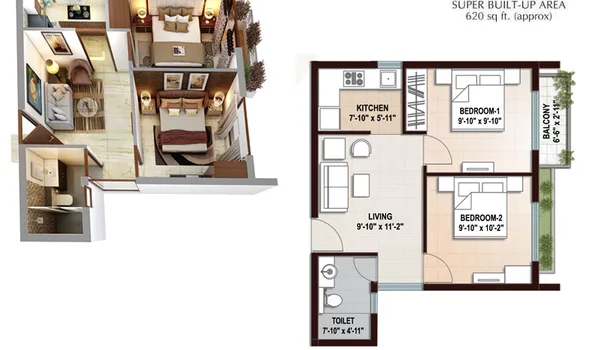
Verify the project's K-RERA status and get the payment schedule in writing before you pay, since registration and completion dates drive when your interest becomes claimable. Demand across Bengaluru's Sarjapur Road corridor stays supported by the nearby tech belt, which helps both end-use and resale. Compare configuration-wise rates on the price list and layouts on the floor plans, and request a written cost breakup through the contact page before you book. Bottom line: gather the interest certificate and duty receipts, pick your regime on purpose, and let a chartered accountant confirm the final saving.
Frequently Asked Questions
1. Can I claim home loan tax benefits in 2026?
Yes, but mainly under the old tax regime, which lets you deduct home loan interest under Section 24(b) and principal under Section 80C. The default new regime withdraws most of these, so compare both before filing.
2. How much home loan interest is tax deductible?
For a self-occupied home under the old regime, Section 24(b) allows up to Rs 2,00,000 of interest per year. Interest paid during construction is claimed in five equal parts after the home is completed.
3. Is home loan principal repayment tax deductible?
Yes. Section 80C allows up to Rs 1,50,000 a year on principal repaid, plus stamp duty and registration in the year paid. This limit is shared with PPF, EPF and other 80C items.
4. Are home loan tax benefits available under the new tax regime?
Largely no. The new regime removes Section 24(b) for a self-occupied home and Section 80C, though let-out property interest still gets limited relief. Most buyers claiming these benefits use the old regime.
5. Can I still claim Section 80EEA in 2026?
Only if your loan was sanctioned between April 2019 and March 2022 on a home with stamp value up to Rs 45 lakh. It has not been extended, so fresh 2026 loans do not qualify.
6. Can both co-borrowers claim home loan tax benefits?
Yes. If both are co-owners and co-borrowers, each can claim interest and principal within their own limits on their share, which can raise the household's total deduction. Confirm ownership and share with a tax adviser.
Conclusion
Home loan tax benefits can trim the real cost of buying on Sarjapur Road in 2026, but only if you claim them deliberately. Interest comes back under Section 24(b) up to ₹2,00,000 on a self-occupied home, principal and one-time duty under Section 80C up to ₹1,50,000, and a joint loan lets co-owning partners each claim within their own caps. The catch that decides all of it is the regime: these deductions live in the old regime, while the default new regime forgoes them, so run the numbers both ways every year. Section 80EEA helps only older qualifying loans, not fresh 2026 sanctions. Keep your lender's interest certificate and duty receipts, review Prestige Sarjapur Road's price list and floor plans, and let a chartered accountant confirm your position before you file.
Prestige Sarjapur Road Blog