NRI Guide to Buying Apartments in Sarjapur Road 2026
Published 30 Jun 2026 · Last updated 30 Jun 2026

If you are a non-resident Indian planning to buy a home back in India, Sarjapur Road in South-East Bengaluru is one of the corridors most likely to come up in your search. The short version: NRIs and OCIs can freely buy residential apartments here under the rules of the Reserve Bank of India and the Foreign Exchange Management Act (FEMA), without any special approval. This guide walks through eligibility, banking, loans, power of attorney, taxes and repatriation so you know what to check before you commit.
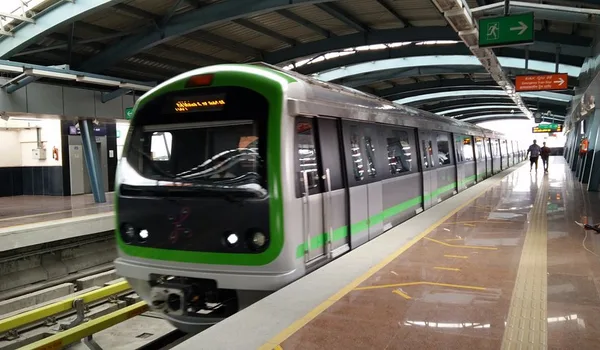
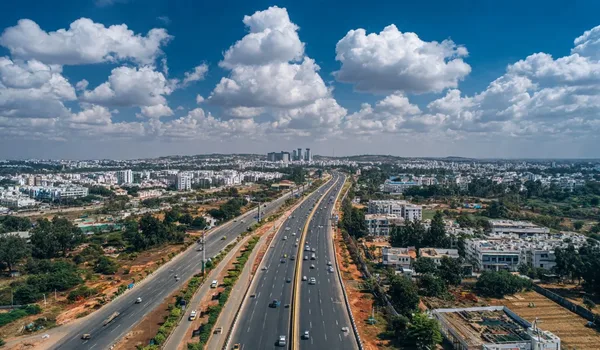
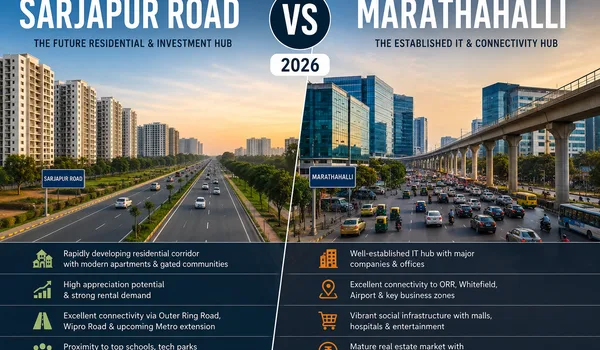
Sarjapur Road appeals to NRI buyers in 2026 for a few practical reasons. It sits beside the Outer Ring Road tech belt, so rental demand from IT tenants is steady. Entry prices are lower than older central hubs, which leaves room for growth. New gated launches keep arriving on the corridor, and an approved Namma Metro line points to better connectivity over time. For the wider market view, see our Sarjapur Road guide.
1. Eligibility Under FEMA
Under the broad framework of FEMA, administered by the RBI, an NRI or an Overseas Citizen of India may acquire residential and commercial immovable property in India without seeking specific permission from the RBI. There is no cap on the number of residential or commercial units you can hold. This is the legal basis on which most NRI apartment purchases on Sarjapur Road proceed.
There are clear exclusions. An NRI or OCI may not buy agricultural land, plantation property or a farmhouse in India under the general route; such property can usually only be acquired by inheritance or gift, subject to conditions. Since an apartment on Sarjapur Road is residential property, it falls squarely inside what you are permitted to buy. Rules are periodically updated, so confirm the current FEMA position before signing.
Bottom line: as an NRI or OCI you can buy a residential apartment here without RBI permission, but not agricultural land, plantation or farmhouse property.
2. Bank Accounts: NRE, NRO and FCNR
FEMA requires that the money for your purchase moves through normal banking channels in India. In practice that means paying from an NRE, NRO or FCNR account, or by inward remittance from abroad through these accounts. You cannot settle the purchase in foreign currency notes or through informal transfers.
The accounts differ in how the money behaves. An NRE (Non-Resident External) account holds your foreign earnings converted to rupees and is freely repatriable, meaning you can move the balance back out of India. An NRO (Non-Resident Ordinary) account is meant for income you earn within India, such as rent, and carries repatriation limits. FCNR (Foreign Currency Non-Resident) accounts hold deposits in foreign currency. Which account you fund the purchase from has a direct bearing on how easily you can later take sale proceeds out, so plan this at the start.
| Account | Typical use | Repatriation |
|---|---|---|
| NRE | Foreign earnings held in rupees | Freely repatriable |
| NRO | Income earned in India (e.g. rent) | Limited, subject to conditions |
| FCNR | Deposits held in foreign currency | Repatriable on maturity |
Account features are indicative and bank-specific — confirm current terms with your bank.
Bottom line: fund the purchase through an NRE, NRO or FCNR account; remember NRE money is repatriable while NRO is for India income with limits.
3. Home Loans for NRIs
You do not have to pay all-cash. Indian banks and housing finance companies offer home loans designed for NRIs, and many lenders treat NRI applicants as a standard category. The loan is usually disbursed in rupees and secured against the property, with repayment made from your NRE or NRO funds, or by remittance from abroad.
The figures below are illustrative and lender-dependent, and they change often. As an indicative guide, loan-to-value can run up to roughly 75 to 80 percent of the property value, with the balance funded by you. Tenure is typically shorter than for resident borrowers. Interest rates sit in an indicative band of about 8.5 to 9.5 percent, varying by lender, profile and loan type. Treat these as a starting point for your own enquiries, not a quote.
| Loan factor | Indicative position |
|---|---|
| Loan-to-value | Up to ~75–80% (illustrative) |
| Interest rate band | ~8.5%–9.5% (illustrative, lender-dependent) |
| Repayment source | NRE / NRO funds or inward remittance |
| Tenure | Often shorter than resident loans |
Loan figures are illustrative and subject to change — confirm current terms directly with the lender.
Bottom line: NRI home loans are widely available, but verify the exact LTV, tenure and rate with your lender as the indicative figures here change often.
4. Power of Attorney
Buying remotely is common, and most NRIs handle it by appointing a power of attorney (PoA). The PoA is often a trusted family member in India who can sign documents, complete the registration at the sub-registrar's office and follow up with the developer on your behalf while you remain abroad.
If you execute the PoA overseas, it generally needs to be notarised in your country of residence and attested at the Indian embassy or consulate, then stamped and adjudicated in India within the prescribed period. Keep the powers specific to the transaction rather than open-ended, and have a lawyer draft or review the wording so it is accepted by the developer and the registrar. Many builders, including for the example below, are familiar with NRI documentation.
Bottom line: a properly notarised and consulate-attested PoA lets a trusted person complete registration for you, but get the wording reviewed by a lawyer.
5. Taxes and TDS
Tax is where NRI buyers most often need professional help, so treat this as general guidance and engage a chartered accountant. When you buy from a resident seller, you as the buyer are generally required to deduct tax at source (TDS) at 1 percent of the consideration where it crosses the prescribed threshold, and deposit it against the seller's PAN. When you buy from another NRI seller, a higher TDS applies because it is computed on the seller's capital gains rather than a flat 1 percent, and the process is more involved.
Once you own the property, the income side matters too. Rental income earned in India is taxable in India, and capital gains on a future sale are taxable as well, with the rate depending on how long you held the asset. If you also pay tax in your country of residence, the Double Taxation Avoidance Agreement (DTAA) between India and that country may give relief so the same income is not taxed twice. A CA can map your specific situation.
| Head | General position (indicative) |
|---|---|
| TDS — buying from resident seller | Buyer deducts 1% above threshold |
| TDS — buying from NRI seller | Higher, on seller's capital gains |
| Stamp duty & registration | As per Karnataka rates at the time |
| Rental income | Taxable in India |
| Capital gains on sale | Taxable; DTAA relief may apply |
Tax and charge heads are indicative and change — confirm current rates with a chartered accountant.
Bottom line: deduct the right TDS at purchase, plan for tax on rent and gains, and use a CA to apply DTAA relief correctly.
6. Repatriation of Funds
Repatriation is the question many NRIs ask first: can I take my money back out later? The answer is yes, within conditions set by the RBI. As an indicative rule, where you bought the property with foreign funds through NRE or inward remittance, the sale proceeds of up to two residential properties may be repatriated, subject to the amount not exceeding what you originally remitted for the purchase.
For money sitting in an NRO account, including rental income and amounts beyond that two-property route, remittance is generally allowed up to a limit of around USD 1 million per financial year, subject to documentation and a chartered accountant's certification. These figures are indicative and depend on the current RBI rules and your specific facts, so confirm the position before you plan any remittance.
Bottom line: repatriation is permitted within RBI limits, but the route depends on how you funded the purchase — verify the current rules before remitting.
7. A Practical Checklist for NRIs on Sarjapur Road
Once the rules are clear, the buying process is much like it is for a resident, with a little extra documentation. Run through the basics before you commit your money.
- Check RERA: confirm the project is registered with K-RERA and read the registered details.
- Builder track record: look at the developer's delivery history and past handovers.
- Documentation: keep your passport, OCI/PIO card, PAN, overseas address proof and NRE/NRO details ready.
- Title and approvals: have a lawyer verify title, encumbrance and plan approvals.
- Site visit or virtual tour: inspect in person on a trip home, or ask the developer for a guided virtual tour.
- Payment trail: route every payment through banking channels and retain proof for future repatriation.
Bottom line: verify RERA, title and the builder, keep your documents and payment trail clean, and inspect the project before you pay.
8. A Worked Example: Prestige Sarjapur Road
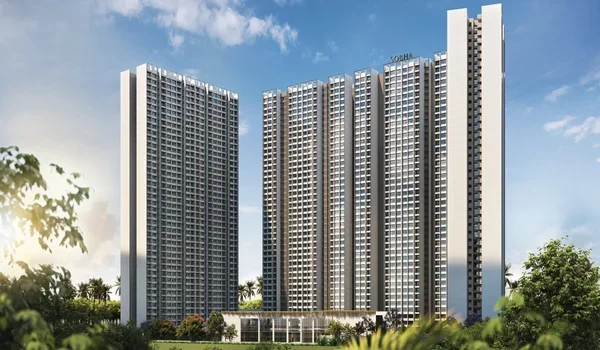
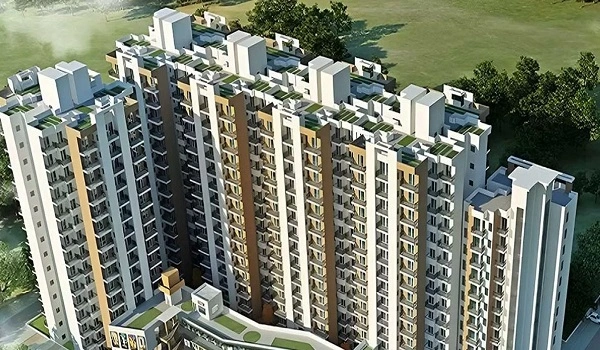
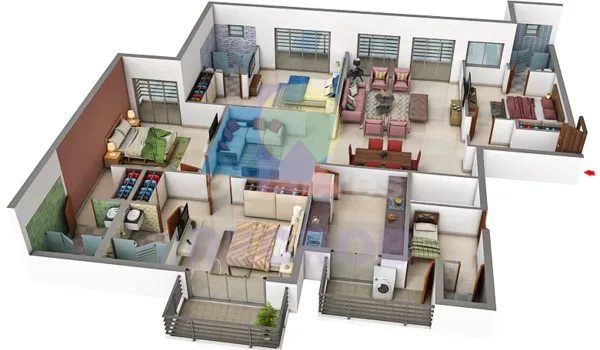
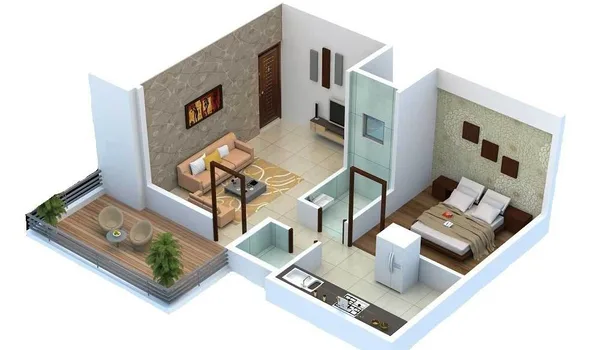
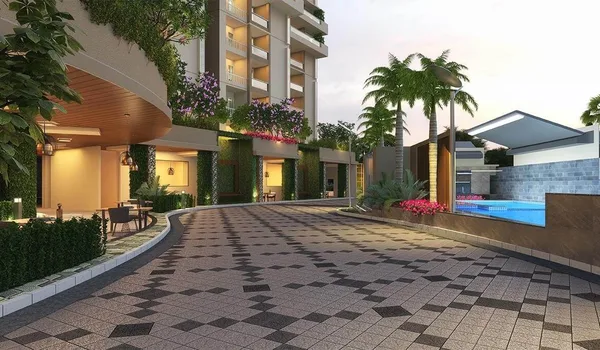
To make this concrete, take Prestige Sarjapur Road by Prestige Group as an example of the kind of buy that suits an NRI on this corridor. It is a gated apartment community at Ittangur on Sarjapur Road, offering 1, 2 and 3 BHK homes from about ₹68.25 L, with K-RERA registration to be issued at the official launch. The entry price is low for the corridor, the configurations cover both end-use and rental, and a known developer simplifies the documentation an NRI needs.
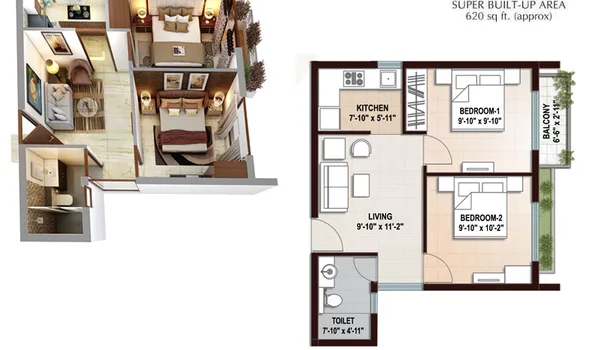
For an NRI buyer, the appeal is the combination of a steady IT tenant pool nearby, a reasonable entry price and a builder used to handling overseas paperwork and power of attorney. If you want to weigh it, compare the price list and floor plans against your budget and rental expectations. Only this project is quoted at a precise price here; treat everything else as general guidance.
Bottom line: Prestige Sarjapur Road shows what an NRI-suitable corridor buy looks like — low entry near the tech belt, standard configurations and a developer familiar with overseas documentation.
Frequently Asked Questions
1. Can an NRI buy an apartment in Sarjapur Road?
Yes. Under the broad FEMA rules administered by the RBI, NRIs and OCIs may buy residential and commercial property in India, including apartments on Sarjapur Road, without seeking special RBI permission. They cannot buy agricultural land, plantation property or a farmhouse. Always verify the current RBI and FEMA rules before you transact.
2. Which bank account should an NRI use to pay for property in India?
Purchase funds must move through normal banking channels using an NRE, NRO or FCNR account. An NRE account holds foreign earnings and is freely repatriable, while an NRO account is used for income earned in India and has repatriation limits. Confirm the current position with your bank.
3. Can NRIs get a home loan to buy an apartment in India?
Yes. Indian banks and housing finance companies offer NRI home loans. As an illustrative guide, loan-to-value can run up to about 75 to 80 percent and rates sit in an indicative band of roughly 8.5 to 9.5 percent depending on the lender and profile. Repayment is usually made from NRE or NRO funds. Figures are indicative and change often, so confirm current terms with the lender.
4. Do NRIs need a power of attorney to buy property in India?
Many NRIs appoint a power of attorney, often a trusted family member, to sign documents and complete registration in person while they are abroad. A power of attorney executed overseas is generally notarised and attested at the Indian embassy or consulate, then adjudicated in India. Take legal advice on the wording and scope.
5. What taxes and TDS apply when an NRI buys an apartment?
When buying from a resident seller the buyer generally deducts TDS at 1 percent on consideration above the threshold, while buying from an NRI seller attracts a higher TDS on the seller's capital gains. Rental income and capital gains are taxable in India, and a DTAA may give relief. This is general guidance, so consult a chartered accountant.
6. Can an NRI repatriate the sale proceeds of an apartment?
Repatriation is allowed within conditions. As an indicative rule, sale proceeds of up to two residential properties bought with foreign funds may be repatriated, and remittance from an NRO account is generally subject to a limit of up to USD 1 million per financial year with documentation. These limits are indicative and subject to current RBI rules, so verify before remitting.
Conclusion
For an NRI, buying an apartment on Sarjapur Road in 2026 is well within reach: the FEMA framework lets you own residential property without RBI permission, banking is handled through NRE, NRO or FCNR accounts, loans are available, and a power of attorney covers you when you are abroad. The areas that need care are tax, TDS and repatriation, where the figures here are indicative and the rules change, so lean on a chartered accountant and a lawyer and verify the current RBI and FEMA position. As a worked example near the tech belt, review Prestige Sarjapur Road's price list and floor plans, then arrange a site visit or a guided virtual tour through the contact page.
Prestige Sarjapur Road Blog