Home Loan EMI & Affordability Guide for Sarjapur Road Buyers 2026
Published 06 Jul 2026 · Last updated 06 Jul 2026

Before you shortlist an apartment on Sarjapur Road, it helps to know two numbers: the EMI you can carry every month, and the home price that EMI actually supports. Most buyers reverse this order — they fall for a project first, then discover the loan does not stretch that far. This guide flips it. It explains how a home loan EMI is built, how lenders decide how much you can borrow, and how the tenure, rate and down payment together fix the ceiling on what you can afford. Get these right and the shortlist takes care of itself.
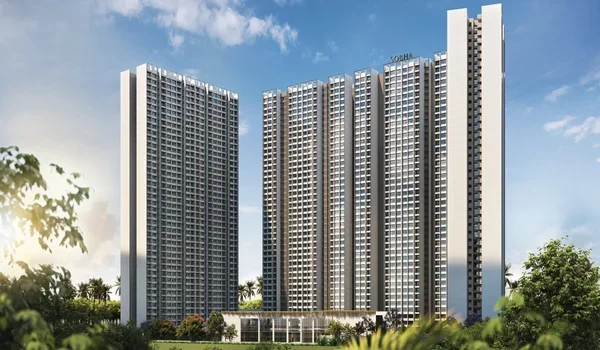
The worked figures here use our featured pre-launch, Prestige Sarjapur Road by Prestige Group, as the example base price, with 1, 2 and 3 BHK homes from about ₹68.25 L at Ittangur. For the wider corridor, see our Sarjapur Road guide. Every rate, EMI and eligibility figure below is illustrative; only a lender's sanction letter and the developer's live cost sheet are final.
What an EMI Actually Is
An EMI, or equated monthly instalment, is the fixed amount you repay each month across the loan tenure. Every instalment is part interest on the outstanding balance and part principal repayment. In the early years most of the EMI is interest and only a little chips away at the principal; as the balance falls, the principal share grows. Three inputs set the EMI: the loan amount, the interest rate and the tenure in months. Change any one and the monthly figure moves.
You do not need to compute the formula by hand — any lender or online calculator will do it — but you should understand the levers. A larger loan or a higher rate pushes the EMI up; a longer tenure pulls it down but stretches the interest over more years. Bottom line: an EMI is principal plus interest spread over the tenure, and the three dials you control are loan amount, rate and tenure.
How Much Home You Can Afford
Affordability is not the maximum a lender will offer — it is the EMI you can carry without straining the rest of your life. A widely used yardstick keeps all your monthly EMIs, the new home loan included, within about 40% to 50% of your take-home income. Lenders call this ratio FOIR, the fixed-obligations-to-income ratio. Work it backwards: decide the EMI that fits comfortably inside that band, and it points to the loan, and therefore the home price, you can realistically target.
| Monthly take-home | Indicative EMI ceiling (~45%) | Rough loan supported (~9%, 20 yr) |
|---|---|---|
| ₹1,00,000 | ~₹45,000 | ~₹50 lakh |
| ₹1,25,000 | ~₹56,000 | ~₹62 lakh |
| ₹1,50,000 | ~₹67,000 | ~₹74 lakh |
Notice that the home price you can afford is really set by your income and your other EMIs, not by the sticker price of the flat you like. If a target home needs a bigger EMI than your FOIR allows, the fix is a larger down payment, a longer tenure or a lower-priced unit. Bottom line: size the EMI to about 40% to 50% of income first, and let that decide the price band you shop in.
What Decides Your Loan Eligibility
Three things drive how much a lender will sanction. The first is income — a higher and more stable income supports a larger EMI. The second is your credit score; a healthy score generally earns both a bigger sanction and a sharper rate, while a weak score can shrink or reprice the loan. The third is your existing obligations: car loans, personal loans and card dues all count toward FOIR and eat into the room for a new home loan.
Age and remaining working years matter too, since they cap how long a tenure the lender will grant. Co-applicants can lift eligibility by pooling incomes, which is why many couples apply jointly. Before you shortlist, ask a lender for a pre-approval so you know your real sanction rather than a guess. Bottom line: income, credit score and existing EMIs decide the sanction — clean up obligations and check your score before you apply.
The EMI vs Tenure Trade-off
Tenure is the lever buyers most often misjudge. A longer tenure lowers the monthly EMI, which makes a home feel affordable, but it raises the total interest you pay over the life of the loan because the balance sits outstanding for longer. A shorter tenure does the opposite: a heavier EMI, but far less interest overall. The table shows how the same loan behaves across tenures at an indicative rate.
| Loan amount | Indicative rate | Tenure | Approx EMI |
|---|---|---|---|
| ₹55 lakh | ~9% | 15 years | ~₹55,800 |
| ₹55 lakh | ~9% | 20 years | ~₹49,500 |
| ₹55 lakh | ~9% | 30 years | ~₹44,200 |
A useful middle path is to take a longer tenure for the lower EMI and eligibility headroom, then prepay when you can to cut the interest. Match the tenure to your income and to how long you expect to hold the home. Bottom line: a longer tenure eases the EMI but costs more interest — pick the term you can service, and prepay to claw back interest.
Fixed vs Floating, and Prepayment
Home loans come as floating or fixed. A floating rate moves with the lender's benchmark, so your EMI or tenure can change as the market shifts; it is the common choice for home loans and usually starts lower. A fixed rate locks your EMI for a period, giving certainty but typically at a higher starting rate. Neither is universally better — it depends on where rates sit and how much certainty you value. Compare offers from more than one lender on both rate and processing fee.
Prepayment is your strongest tool once the loan runs. On floating-rate home loans, part-prepayments generally carry no penalty, and money paid early goes straight against principal, saving interest for every remaining month. Even one or two extra instalments a year can shorten the loan meaningfully. Bottom line: floating suits most buyers and starts lower, fixed buys certainty at a price, and steady prepayment quietly saves the most interest.
Planning the Down Payment
Lenders fund up to about 75% to 80% of the property value under RBI norms, so the rest is your down payment — roughly 20% or more, paid from your own funds. But the down payment is not the only up-front cost. On top of it sit stamp duty, registration, cess and surcharge, GST if the unit is under construction, plus legal, khata and loan processing charges. Budgeting only for the down payment is the classic first-timer error.
Take Prestige Sarjapur Road's indicative entry price of about ₹68.25 L: a roughly 80% loan is about ₹54.60 L, leaving around ₹13.65 L as down payment before you add the government and loan-linked charges. Confirm the project's K-RERA status before you pay, since a registered project gives you a documented payment schedule. Demand across Bengaluru's Sarjapur Road corridor stays supported by the nearby tech belt, which helps both end-use and resale. Bottom line: plan the down payment at about 20% plus the government and loan charges, not the 20% alone.
Verify the Live Numbers
No calculator replaces a lender's sanction and the developer's current cost sheet. Rates change, unit prices vary by configuration, floor and facing, and your eligibility turns on your own profile. Use this guide to frame the decision, then pin the real figures.
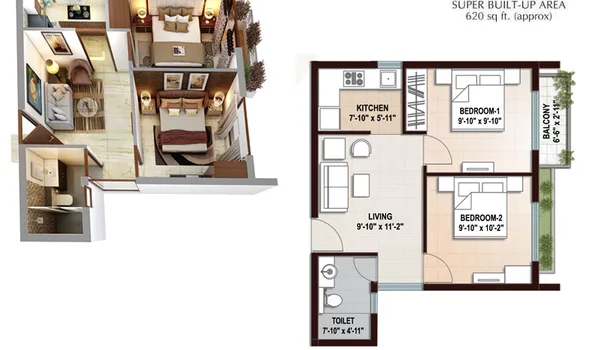
Compare configuration-wise rates on the price list and layouts on the floor plans, get a loan pre-approval, and request a written cost breakup through the contact page before you book. Bottom line: treat this as a planning framework and let your lender's sanction plus the developer's cost sheet set the final EMI and price.
Frequently Asked Questions
1. How is a home loan EMI calculated?
An EMI blends principal and interest across the tenure, so it depends on three inputs: the loan amount, the interest rate and the number of months. A higher amount or rate raises it, a longer tenure lowers it.
2. How much home loan can I afford in Sarjapur Road?
A common rule keeps all your EMIs within about 40 to 50% of your monthly income, measured as FOIR. Your actual sanction depends on income, credit score and existing loans, so get a lender to confirm.
3. What is FOIR in a home loan?
FOIR is the share of your monthly income already committed to EMIs and fixed obligations. Lenders prefer it below roughly 40 to 50%, since a lower FOIR signals more room to repay and improves your eligibility.
4. Should I choose a longer or shorter loan tenure?
A longer tenure lowers the monthly EMI but raises the total interest paid, while a shorter tenure does the reverse. Match the tenure to your income and how long you plan to hold the home.
5. Is a fixed or floating home loan rate better in 2026?
Floating rates move with the market and are common for home loans, while fixed rates lock your EMI but usually start higher. Compare offers and pick the structure that suits your risk comfort.
6. How much down payment do I need for a Sarjapur Road apartment?
Lenders fund about 75 to 80% of the value, so plan a down payment of roughly 20% or more from your own funds, plus stamp duty, registration and smaller charges on top.
Conclusion
The smart order for a Sarjapur Road purchase in 2026 is affordability first, apartment second. Fix the EMI you can carry inside about 40% to 50% of your income, let that set the loan and the price band, then choose a tenure you can service and prepay when you can. Keep your credit score healthy, clear small loans that drag on FOIR, and budget the down payment alongside stamp duty, registration and the smaller charges. Every rate and EMI here is illustrative, so get a lender pre-approval and review Prestige Sarjapur Road's price list and floor plans, then request a written cost breakup through the contact page before you commit.
Prestige Sarjapur Road Blog