Carpet Area vs Built-Up vs Super Built-Up: RERA Area Guide for Sarjapur Road Buyers 2026
Published 10 Jul 2026 · Last updated 10 Jul 2026
When you shortlist a Sarjapur Road apartment, the size on the brochure and the space you can actually walk on are rarely the same number. That gap sits inside three terms buyers see everywhere but seldom pin down: carpet area, built-up area and super built-up area. Confuse them and you can pay for a bigger flat on paper while living in a smaller one in practice. This guide defines each clearly, explains the loading factor that separates them, and shows how the RERA carpet-area rule made the comparison fairer for buyers.
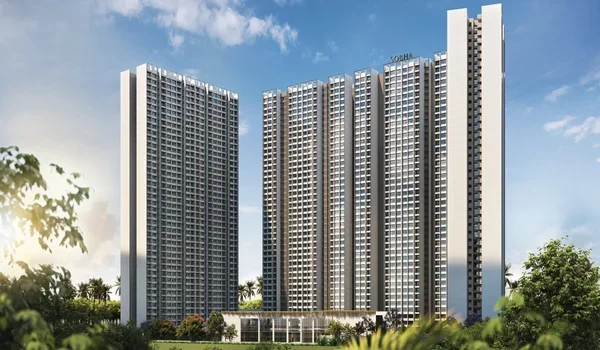
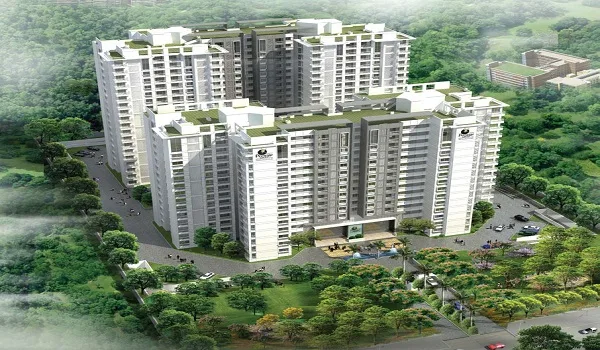
The example base here is our featured pre-launch, Prestige Sarjapur Road by Prestige Group, with 1, 2 and 3 BHK homes from about ₹68.25 L at Ittangur. For the wider corridor, see our Sarjapur Road guide. The area figures used to illustrate the concepts below are indicative — always read the carpet area stated in the project's own documents.
Why Area Definitions Matter
Two apartments can both be advertised as 1,300 sq ft and still give you very different amounts of usable space, because the advertised number may describe super built-up area rather than what lies inside your walls. The price per square foot you compare, the furniture you can fit, and the value you get all hinge on which area is being quoted. A buyer who compares one project's carpet area against another's super built-up area is not comparing like with like.
The three measures form a nested set: carpet is the smallest and most real, built-up is a little larger, and super built-up is the largest because it loads in shared spaces. Knowing which one a seller is quoting is the single most useful habit when reading a price sheet. Bottom line: the same flat can carry three different area numbers, so always ask which one a price refers to before you compare.
What Is Carpet Area
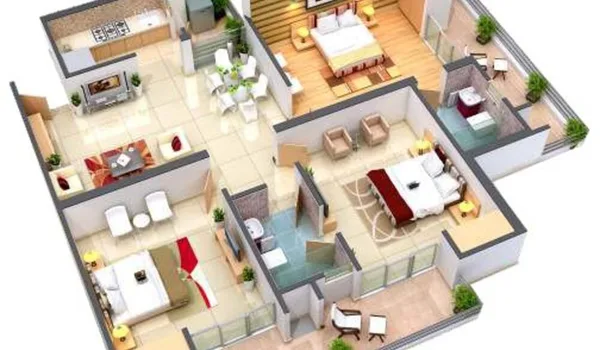
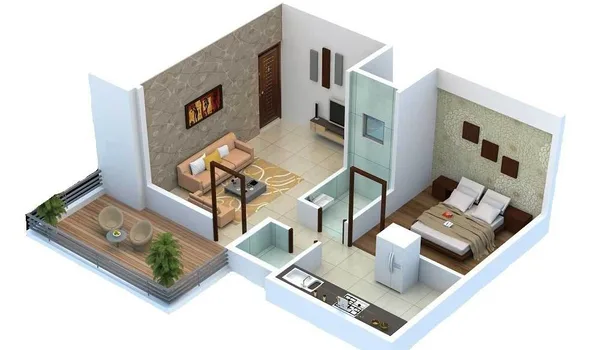
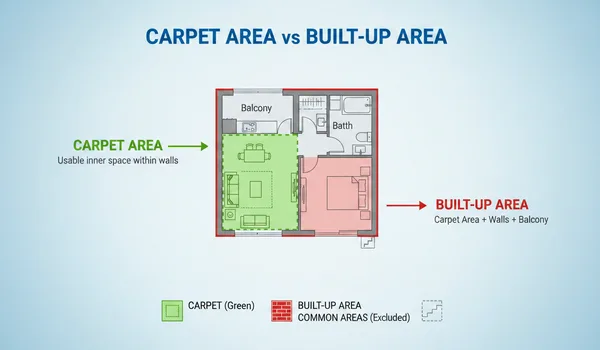
Carpet area is the net usable floor space inside your apartment — literally the area where you could lay a carpet. Under the RERA definition it is the floor area within the internal walls, including internal partition walls, but excluding the thickness of external walls, the area under service shafts, and any exclusive balcony or open terrace. It is the truest measure of how much room you actually get to use, and it is the number that should drive your buying decision.
Because carpet area strips out walls and shared spaces, it is always the smallest of the three figures. When you picture where your bed, sofa and dining table will sit, you are picturing carpet area. Bottom line: carpet area is the real usable space inside your walls and the figure to judge a home by.
What Is Built-Up Area
Built-up area takes the carpet area and adds the parts of your unit that are yours but not walkable open floor — chiefly the thickness of the walls and the balcony or utility areas. As a rough guide it runs about 10% to 15% above carpet area, though the exact figure depends on the design and wall layout. It describes the full footprint your apartment occupies on its floor, but not the shared corridors and amenities beyond your door.
Built-up area is less commonly quoted in marketing than super built-up, but it is a useful middle number because it captures your private space including walls. Bottom line: built-up area is your carpet area plus walls and balcony, usually about 10% to 15% more than carpet.
What Is Super Built-Up Area
Super built-up area, sometimes called saleable area, is the built-up area plus your proportionate share of the building's common spaces — the lobby, staircases, lift wells, corridors, and often a slice of amenities like the clubhouse. Developers historically quoted prices on this largest figure, which is why a home advertised as 1,300 sq ft might have a carpet area closer to 1,000 sq ft. The common spaces are real and you do use them, but they are shared, not private.
Because super built-up rolls in shared areas, it is the number most likely to flatter a listing. That is exactly why RERA moved the pricing basis away from it. Bottom line: super built-up area adds your share of shared spaces on top of built-up, making it the largest and most marketing-friendly figure.
| Area type | What it includes | Relative size |
|---|---|---|
| Carpet area | Usable floor within internal walls | Smallest — the real usable space |
| Built-up area | Carpet + wall thickness + balcony | ~10% to 15% above carpet |
| Super built-up area | Built-up + share of lobby, lifts, amenities | Largest — old pricing basis |
The Loading Factor Explained
The loading factor is the number that ties carpet area to super built-up area. It is the extra area, expressed as a percentage of carpet, that a developer loads on to arrive at the saleable figure. If a home has 1,000 sq ft of carpet and is sold as 1,300 sq ft super built-up, the loading factor is 30%. A lower loading factor means you get more usable space for the area you pay for; a higher one means more of your money buys shared space.
| Metric | Home A (indicative) | Home B (indicative) |
|---|---|---|
| Super built-up area | 1,300 sq ft | 1,300 sq ft |
| Loading factor | ~25% | ~40% |
| Approx carpet area | ~1,040 sq ft | ~930 sq ft |
This is why two identically advertised flats can feel so different in person. When comparing options on Sarjapur Road, put the carpet areas side by side rather than the headline saleable numbers. Bottom line: a higher loading factor means less usable space per rupee, so compare carpet areas, not just the super built-up headline.
How RERA Changed Area Reporting
Before 2016, developers were free to quote prices on super built-up area, and there was no single legal definition of carpet area, which made honest comparison hard. The RERA Act 2016 fixed this: it laid down a precise definition of carpet area and required developers to disclose and sell on that basis, so the price and size you see now rest on usable space. In Karnataka this is administered through K-RERA, where a registered project's declared carpet area is on record.
This does not stop a developer from also mentioning super built-up area in brochures, but the RERA-registered carpet area is the reference that protects you. Across Bengaluru, checking the registered carpet figure has become a standard step for careful buyers. Bottom line: since RERA 2016, carpet area is the legal basis for pricing, and the K-RERA registration is where you confirm it.
Checking Area Before You Buy
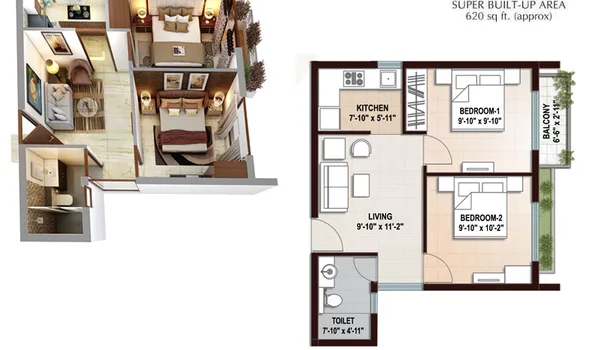
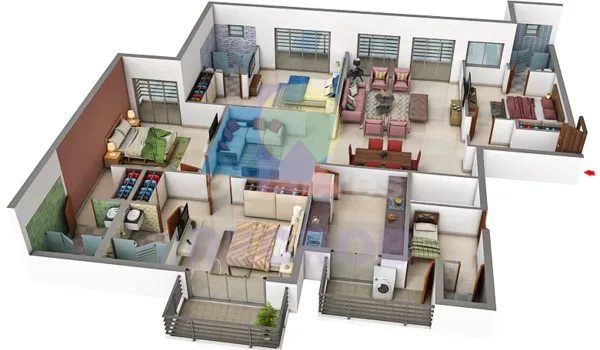
Before you commit, line up the carpet area across three documents — the RERA registration, the sale agreement and the floor plan — and check they agree. Ask the developer for the carpet-to-super-built-up breakup in writing so you know the loading factor, and use carpet area to judge both price per square foot and whether your furniture will fit. Treat any refusal to state carpet area clearly as a warning sign.
For a pre-launch such as Prestige Sarjapur Road, confirm the K-RERA registration and read the carpet area on the official documents rather than a marketing sheet. Compare configuration-wise rates on the price list and study layouts on the floor plans, and request the area breakup in writing through the contact page before you book. Bottom line: match the carpet area across the RERA registration, agreement and floor plan, and buy on that number rather than the super built-up headline.
Frequently Asked Questions
1. What is the difference between carpet area and built-up area?
Carpet area is the usable floor space within your walls, while built-up area adds the wall thickness and balcony. Built-up area is typically about 10 to 15% larger than carpet area.
2. What is super built-up area?
Super built-up area is the built-up area plus your share of common spaces like the lobby, staircase, lifts and clubhouse. It is larger than carpet area and was the old basis for quoting prices.
3. What is the loading factor in an apartment?
The loading factor is the gap between super built-up and carpet area, shown as a percentage. A 30% loading means a 1,000 sq ft carpet home is sold as 1,300 sq ft super built-up.
4. Does RERA require pricing on carpet area?
Yes. Since the RERA Act 2016, developers must disclose and sell on carpet area, defined as net usable floor space. This made comparisons fairer than the older super built-up basis.
5. Which area should I use to compare apartments?
Compare on carpet area, since it reflects the space you actually use. Two homes with the same super built-up area can have different carpet areas depending on their loading factor.
6. How do I check the carpet area of a Sarjapur Road flat?
Check the carpet area stated in the RERA registration, the sale agreement and the floor plan, and confirm it against the K-RERA portal. Ask the developer for the carpet-to-super-built-up breakup in writing.
Conclusion
Understanding area is one of the cheapest ways to protect yourself when buying on Sarjapur Road in 2026. Carpet area is the real usable space inside your walls, built-up area adds walls and balcony, and super built-up area loads in your share of shared spaces — which is why the same flat can wear three different numbers. The loading factor tells you how much of the headline size is genuinely yours, and since RERA 2016 the carpet area on the K-RERA registration is the figure that governs pricing. Compare homes on carpet area, ask for the loading in writing, and cross-check Prestige Sarjapur Road's carpet figures against the price list and floor plans before you commit.
Prestige Sarjapur Road Blog