Apartment Maintenance & Society Charges in Sarjapur Road 2026
Published 04 Jul 2026 · Last updated 04 Jul 2026

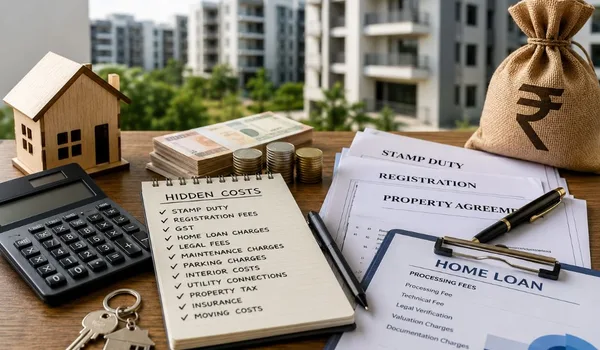
The sticker price and the EMI are only part of what an apartment costs you. Once you move in, monthly maintenance charges, the annual property tax and one-time association dues become a real, recurring part of the budget, and buyers who overlook them are caught out after handover. This guide explains what maintenance and society charges cover on Sarjapur Road, how they are calculated, what the one-time corpus and sinking funds are, and how to budget the whole recurring picture before you buy.
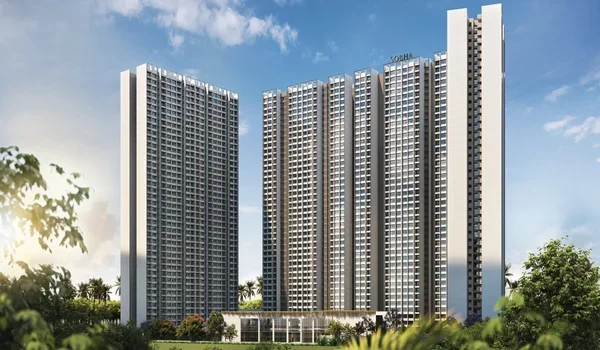
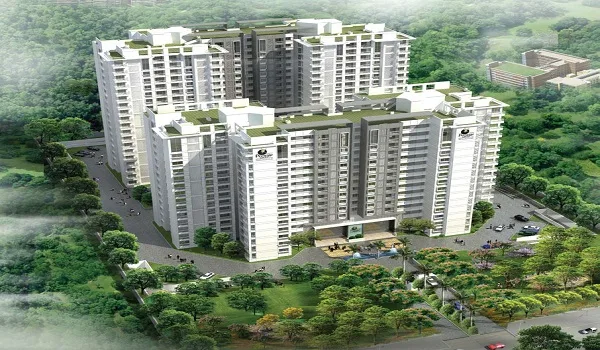
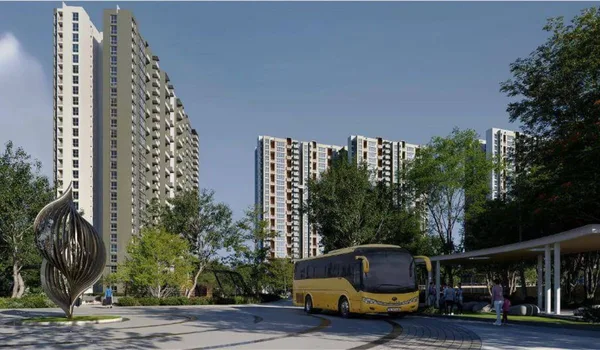
Our worked example is the featured pre-launch, Prestige Sarjapur Road by Prestige Group, with 1, 2 and 3 BHK homes from about ₹68.25 L at Ittangur in South-East Bengaluru. Only that starting price is precise; every maintenance rate, fund and tax figure below is indicative, because charges are set by the developer and later the residents' association and vary by project. Confirm the current numbers with the developer, the RWA and the municipal portal before you rely on them.
What Maintenance Charges Cover
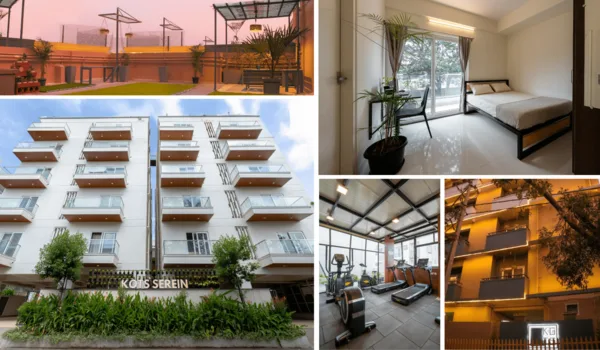
Monthly maintenance is what keeps a gated community running. It pays for the upkeep and cleaning of common areas, security staff and systems, lift servicing, common-area lighting and power, water supply, generator backup for shared services, and the running of amenities such as the clubhouse, swimming pool, gym and landscaped grounds. It also builds a small operating reserve for routine repairs. What it does not cover is anything inside your own flat — your electricity, gas, internet and in-unit repairs are billed separately and are yours to manage.
In a large, amenity-rich community the maintenance bill runs the shared experience you bought into, so it is worth understanding rather than resenting. Bottom line: maintenance keeps the shared building and amenities working — your own utility bills sit outside it.
How Maintenance Is Calculated
Most projects charge maintenance as a rate per square foot of your unit each month, which means a larger home pays a larger bill; some smaller societies use a flat per-flat amount instead. The rate depends on how much there is to run — a community with extensive amenities, more lifts and larger grounds costs more per flat than a compact one. The table lists the typical components that make up the monthly charge.
| Component | What it pays for |
|---|---|
| Common-area upkeep | Cleaning, housekeeping and repairs of shared spaces |
| Security | Guards, gate systems, CCTV and monitoring |
| Lifts & equipment | Servicing and annual maintenance contracts |
| Water & common power | Shared water supply and common-area electricity |
| Generator backup | Fuel and upkeep for backup power to shared services |
| Amenities | Clubhouse, pool, gym and landscape running costs |
Components are typical; the exact rate per square foot and inclusions vary by project and are set by the developer or RWA. Confirm the current maintenance rate on the developer's cost sheet, as of July 2026.
One-Time Corpus and Sinking Fund
Beyond the monthly bill, two funds are collected that first-time buyers often miss. A corpus fund, sometimes called an interest-free maintenance deposit, is a one-time amount collected around handover and held by the residents' association as a financial cushion for the community. A sinking fund is money set aside gradually to pay for major future works — repainting the towers, replacing lifts, waterproofing — so that a big repair does not land as a sudden lump sum on residents.
Both are separate from monthly maintenance and from your loan, and the corpus in particular is usually payable at possession, so plan for it as part of your move-in costs. Under RERA, the developer hands over the common areas and the collected funds to the residents' association once it is formed, which is why confirming these amounts in writing matters. Bottom line: budget the one-time corpus at handover and expect a sinking fund for big future repairs — neither is part of the EMI.
Property Tax and Other Recurring Costs
Society maintenance is not your only recurring cost. Property tax is paid every year to the municipal body — for most of this corridor, the local city corporation — and is entirely separate from what you pay the association. On top of that sit your own metered electricity, water where separately metered, gas, internet and home insurance if you take it. The table separates the recurring costs you owe the society from those you owe elsewhere.
| Cost | Paid to | Frequency |
|---|---|---|
| Maintenance charge | Residents' association / developer | Monthly or quarterly |
| Corpus fund | Residents' association | One-time, at handover |
| Sinking fund | Residents' association | Periodic, for major repairs |
| Property tax | Municipal body | Annual |
| Own utilities | Utility providers | Monthly |
Bottom line: plan for maintenance, an annual property tax and your own utilities together — they are the true monthly cost of ownership.
What Drives Charges Up or Down
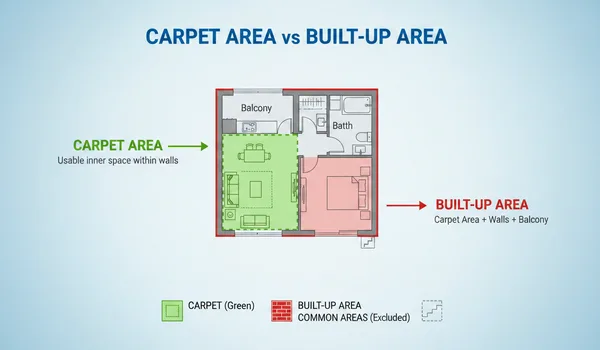
Two identical-sized flats can carry very different maintenance bills, and a handful of factors explain most of the gap. The biggest is amenities: a community with a large clubhouse, multiple pools, sports courts and extensive landscaping simply costs more to run than a no-frills project. Unit size matters too, because a per-square-foot rate scales with your carpet area, and higher security cover or more lifts add to the shared cost.
Occupancy is the quiet factor — in a newly handed-over project where many flats are still empty, the running cost is split among fewer paying owners, so early bills can feel high before the community fills up. Older, well-run societies sometimes achieve lower per-flat costs through scale and efficient management. Bottom line: more amenities, bigger units and lower occupancy push charges up — weigh the lifestyle you want against the bill it carries.
Budgeting Recurring Costs Into Your Home
The practical takeaway is to price the home on its full monthly cost, not the EMI alone. Before you commit, ask the developer for the expected maintenance rate and the corpus amount in writing, estimate the annual property tax from the municipal portal, and add your usual utility spend. Fold that recurring total into the affordability sum so the outgo stays comfortable after you move in, the same discipline that keeps the EMI within about 40 to 45% of income.
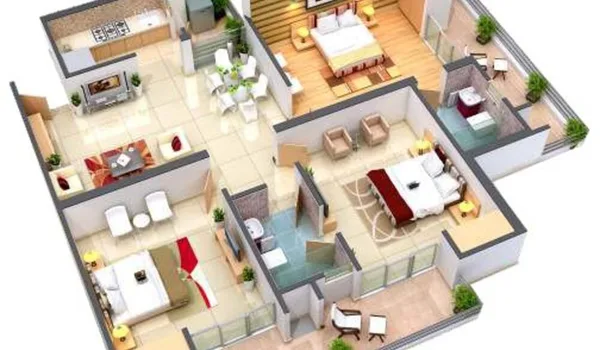
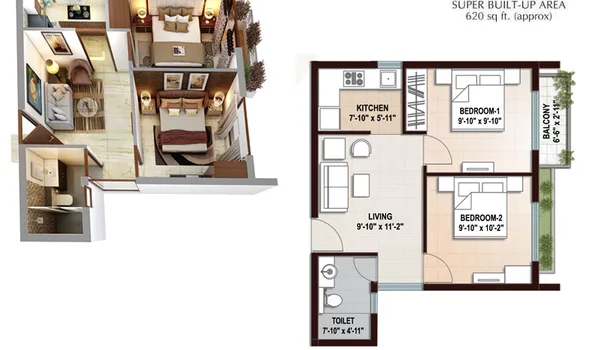
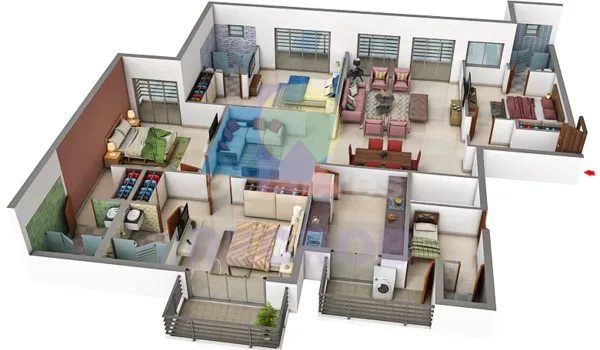
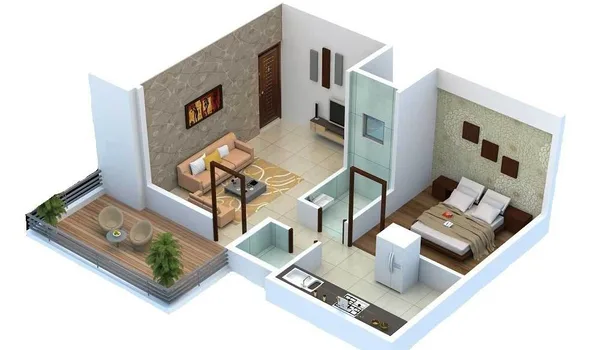
Once you have the full picture, compare the configuration-wise rates on the price list against the layouts on the floor plans, since a larger unit raises both the price and the recurring maintenance. Then request a written cost breakup through the contact page that spells out maintenance and one-time dues before you book. Bottom line: budget the EMI, maintenance, property tax and corpus together — the full monthly cost is what you actually live with.
Frequently Asked Questions
1. What do apartment maintenance charges cover on Sarjapur Road?
They cover upkeep of common areas, security, housekeeping, lifts, water, common-area power, generator backup and amenities such as the clubhouse, pool and gym. Your own utility bills are separate.
2. How are apartment maintenance charges calculated?
Usually a rate per square foot of your unit each month, sometimes a flat per-flat amount. A larger, more amenity-rich home therefore pays more. Confirm the current rate with the developer or RWA.
3. What is a corpus fund and a sinking fund?
A corpus fund is a one-time deposit collected at handover for the association; a sinking fund is saved over time for major future repairs. Both are separate from monthly maintenance.
4. Do I pay property tax on top of maintenance?
Yes. Property tax is paid annually to the municipal body and is separate from society maintenance. Verify the current rate and dues on the official BBMP or local municipal portal.
5. Why are maintenance charges higher in some projects?
More amenities, larger common areas, higher security and lower occupancy push per-flat costs up. A big, feature-rich community usually costs more to run than a compact one.
6. Should I budget maintenance into my home cost?
Yes. Maintenance, property tax and the one-time corpus are real recurring costs beyond the EMI. Factor them in so the monthly outgo stays comfortable after you move in.
Conclusion
Apartment maintenance and society charges are the recurring reality of owning a home on Sarjapur Road, and pricing them in from the start is what keeps a purchase comfortable. Monthly maintenance runs the shared building and amenities, a one-time corpus and a sinking fund cover the community's cushion and its big future repairs, and property tax plus your own utilities round out the true cost of ownership. All of these figures are indicative and set by the developer, the residents' association or the municipal body, so confirm each in writing before you buy. To plan it properly, compare Prestige Sarjapur Road's price list and floor plans, then request a written breakup of maintenance and one-time dues through the contact page before you book.
Prestige Sarjapur Road Blog