First-Time Home Buyer's Guide to Sarjapur Road 2026
Published 03 Jul 2026 · Last updated 03 Jul 2026

Buying your first home is a big decision, and doing it on a fast-growing corridor can feel like a lot to take in at once. This guide is the end-to-end map for a first-time buyer looking at Sarjapur Road in 2026 — from working out how much home you can afford, through choosing between a pre-launch and a ready-to-move flat, to the actual buying journey, the legal checks that protect you and the mistakes that trip up new buyers. It is a journey overview, not a numbers deep-dive, so where a topic needs precise figures we point you to the right specialist guide rather than repeat it here.
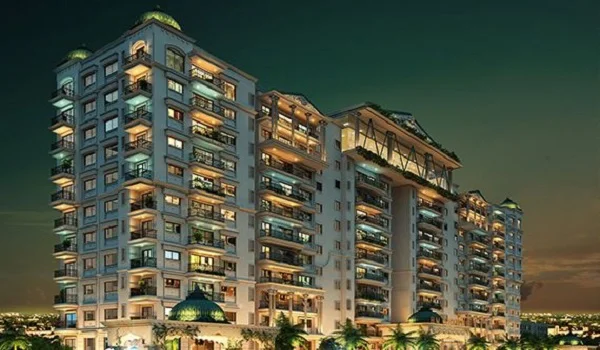
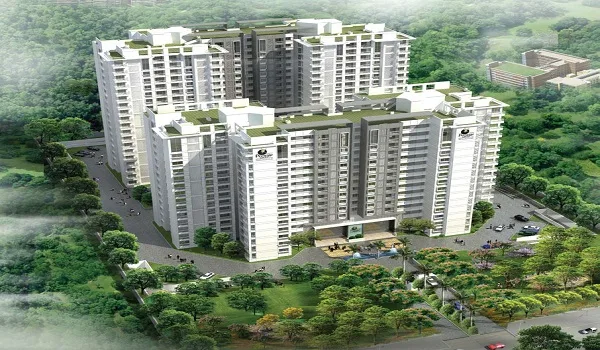
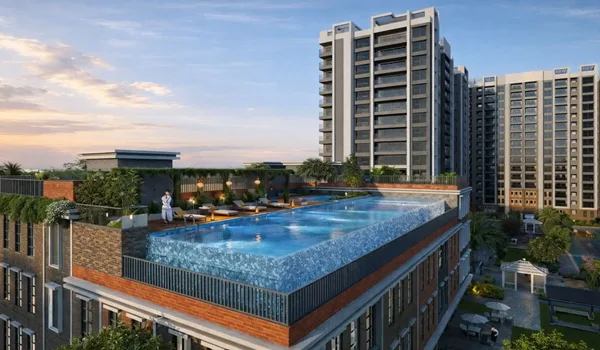
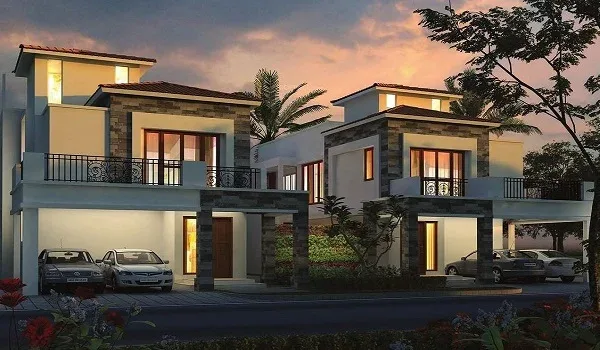
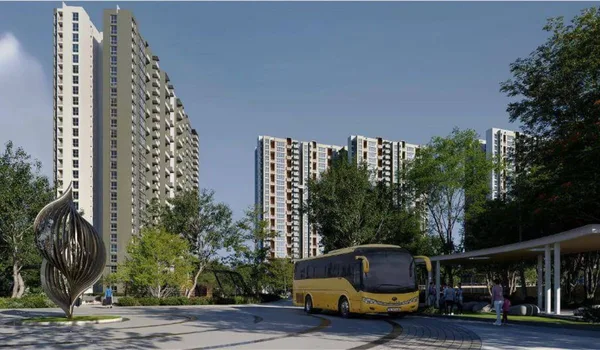
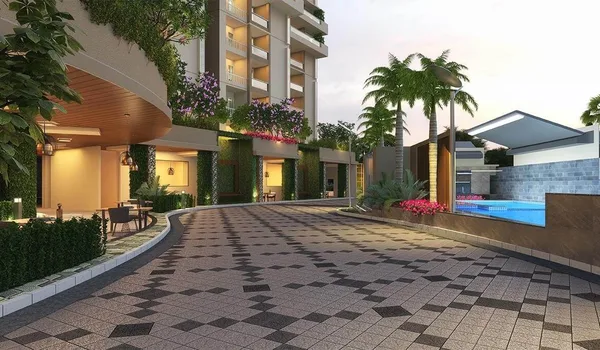
Our worked example throughout is the featured pre-launch project, Prestige Sarjapur Road by Prestige Group, offering 1, 2 and 3 BHK homes from about ₹68.25 L at Ittangur, just off the main road, with possession expected around 2029. Every affordability, EMI and government-charge figure below is indicative or illustrative; confirm your real numbers with a lender, a lawyer and the sub-registrar before you commit.
Start With Your Budget, Not the Brochure
The most useful thing a first-time buyer can do is decide what is affordable before falling for a floor plan. Affordability rests on three pillars: the down payment you can save, the monthly EMI you can carry, and the one-time costs beyond the sticker price. Lenders typically fund about 75% to 80% of the property value, so you arrange the remaining 20% or more from your own funds as a down payment. On the monthly side, a common rule of thumb is to keep all your EMIs together within roughly 40% to 45% of your take-home income — a ratio lenders call FOIR — so the loan does not squeeze the rest of your life.
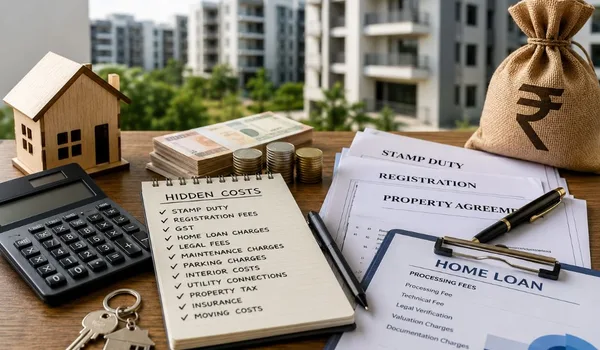
Just as important are the costs that never appear on the brochure: stamp duty, registration, cess and surcharge, GST while a home is under construction, and smaller legal, khata and loan-processing fees. As a high-level planning number these can add several percent over the base price. We deliberately do not reproduce the full rate tables here — for the line-by-line breakdown, the worked stamp-duty, EMI and total-cost examples, see the Home Loan and Registration Costs guide linked in the blog grid below. For now, simply set aside a buffer for them so they are not a surprise at closing.
Pre-Launch vs Ready-to-Move for a First-Timer
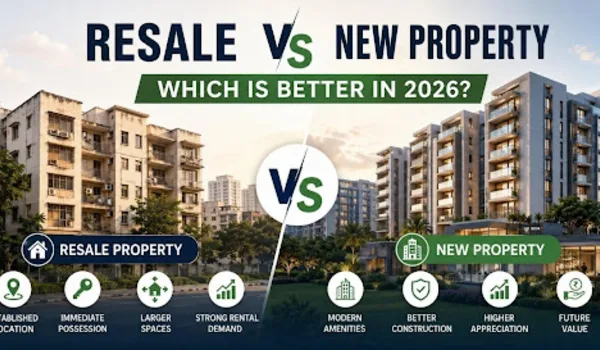
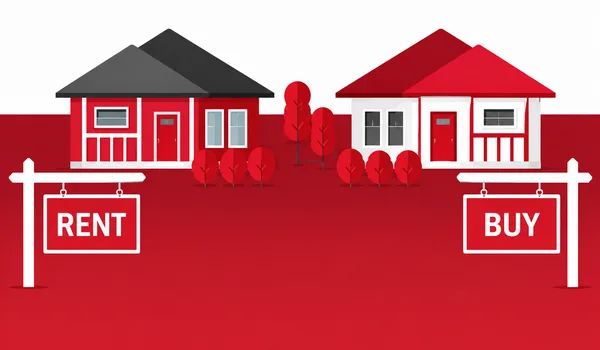
One of the earliest choices you will face is whether to buy a home that is still being built or one you can move into today. Both suit first-time buyers; the right answer depends on your timeline, your cash flow and how much certainty you want.
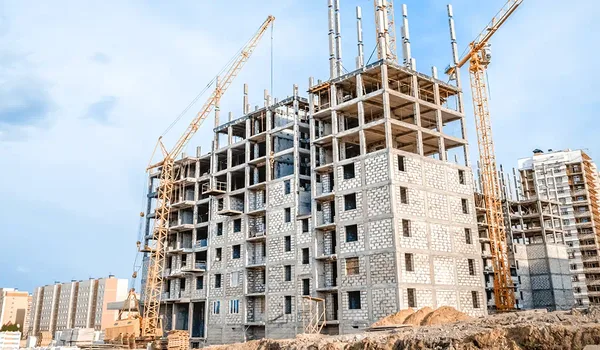
A pre-launch or under-construction home, such as Prestige Sarjapur Road, usually carries a lower entry price and a staged payment plan that spreads the outgo over the construction period, which can be gentler on a first-timer's savings. The trade-off is that you wait — here, possession is expected around 2029 — and you are buying against a plan and a show unit rather than the finished flat. A ready-to-move home reverses that: you see the actual apartment, you can occupy or rent it at once and there is no GST on a completed resale unit, but the up-front outlay is higher and choice within a project may be limited.
Your Step-by-Step Buying Journey
It helps to see the whole path before you take the first step. For most first-time buyers on this corridor the purchase runs through six broad stages, from setting a budget to collecting the keys. The table lays out what you do at each stage and what to watch for.
| Stage | What you do | Watch-outs |
|---|---|---|
| 1. Set budget & affordability | Fix your down payment, target EMI and FOIR; add a buffer for one-time charges | Do not budget the base price alone; leave room for stamp duty, registration and fees |
| 2. Get loan pre-approval | Compare lenders, check your credit score, obtain a written pre-approval | A pre-approval is not a final sanction; rates and eligibility can change |
| 3. Shortlist & site visits | Narrow to a few projects, visit in person, compare configuration and location | Do not commit on a single emotional visit; see the actual floor and facing |
| 4. Legal & RERA due diligence | Verify K-RERA status, title, approvals and the developer's track record | Skipping the lawyer here is the costliest shortcut a first-timer can take |
| 5. Booking & sale agreement | Pay the booking amount, read and sign the agreement, lock the payment schedule | Match every clause to the cost sheet; question anything not in writing |
| 6. Registration & possession | Pay stamp duty and register the deed; take handover after inspection | Confirm current government rates on the Kaveri portal at the time of registration |
Bottom line: money planning and legal checks come before any payment — treat stages one to four as homework you finish before you book.
A Budget Worksheet You Can Reuse
Once you know the journey, put rough numbers against it. The worksheet below groups the one-time costs you pay to buy and the recurring costs you carry after moving in. The figures are illustrative bases only, meant to jog your planning rather than quote a price; confirm each with the sub-registrar, the Kaveri portal, your lender or the developer's live cost sheet.
| Cost item | Typical basis | Notes |
|---|---|---|
| Down payment | ~20%+ of value, from own funds | Save this before you start; the loan covers the rest |
| Stamp duty | Indicative % of value (top slab above ₹45 L) | Set by Karnataka; verify current rate on the Kaveri portal |
| Registration charge | Indicatively ~1% of value | Payable at the sub-registrar, over and above stamp duty |
| GST | Applies only to under-construction units | A ready resale unit with a completion certificate has no GST |
| Legal, khata & processing | Varies | Lawyer fees, khata transfer and the lender's charges |
| Home loan EMI | Recurring, over the tenure | Illustrative only until a lender issues a sanction letter |
| Maintenance & property tax | Recurring, after possession | Monthly society charges plus annual municipal tax |
Bottom line: budget for the recurring costs, not just the day-one bill — an EMI you can carry for years matters more than the lowest entry price.
Legal and K-RERA Due Diligence
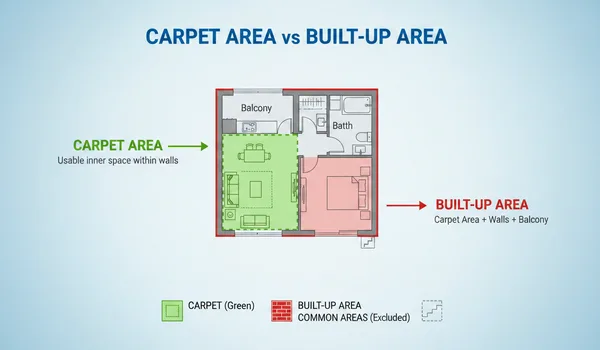
For a first-time buyer, the paperwork check is not optional detail — it is the part that protects your money. Karnataka projects register with K-RERA, the state's real-estate regulator, which publishes the registration number, approved plans, disclosed carpet area, timelines and a formal channel for complaints. A registered project gives you a documented payment schedule and recourse if something slips, so confirming the live registration status is the first check to run.
Beyond RERA, have a property lawyer verify the chain of title and the core approvals before you pay a booking amount. The checklist below lists the documents to ask for and why each one matters.
| Document / Check | Why it matters |
|---|---|
| K-RERA registration number | Confirms the project is registered with the regulator and its disclosures are on record |
| Title deed & chain of title | Establishes that the developer has clear, marketable ownership of the land |
| Encumbrance certificate | Shows the property is free of undisclosed loans, liens or legal charges |
| Approved building plan & commencement certificate | Confirms the construction is sanctioned and lawful, not unauthorised |
| Khata & latest tax receipts | Verifies the property is on the municipal record and dues are cleared |
| Occupancy / completion certificate | For a ready unit, confirms it is legally fit for occupation |
Bottom line: verify K-RERA status and clear title in writing before any payment — the check that feels tedious is exactly the one that protects a first-timer.
Common First-Timer Mistakes to Avoid
Most first-buyer regrets come from a handful of avoidable slips. The biggest is budgeting only for the base price and the down payment while forgetting stamp duty, registration, GST and the smaller fees — which quietly pushes the buyer past a comfortable EMI. Close behind is stretching the loan tenure or amount to buy a larger home than the monthly budget can carry, leaving no cushion for a rate change or a job gap.
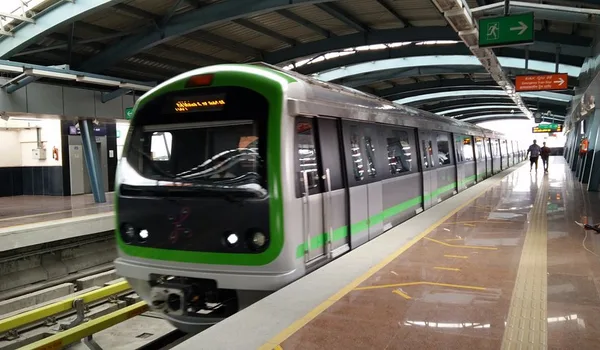
Other frequent mistakes are skipping the legal check to save a lawyer's fee, not confirming K-RERA status, and deciding on emotion after a single show-flat visit without comparing configuration, floor and facing. Some buyers also overlook recurring costs — maintenance and property tax — and are caught out after moving in. In a wider Bengaluru market where the approved Sarjapur-to-Hebbal Namma Metro line is not yet operational, another slip is paying extra today for connectivity that is still under development rather than in service.
Bottom line: plan the full cost, keep the EMI comfortable, do the legal homework and buy on facts, not on a single emotional visit.
Turn the Plan Into Action
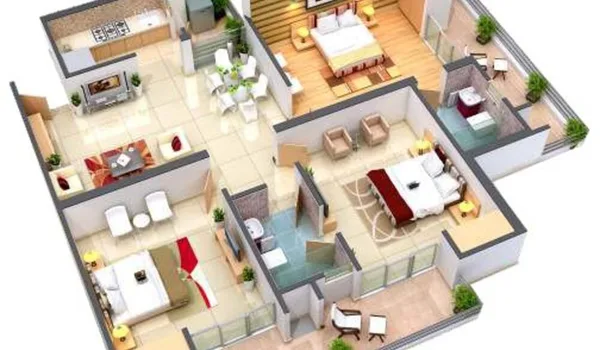
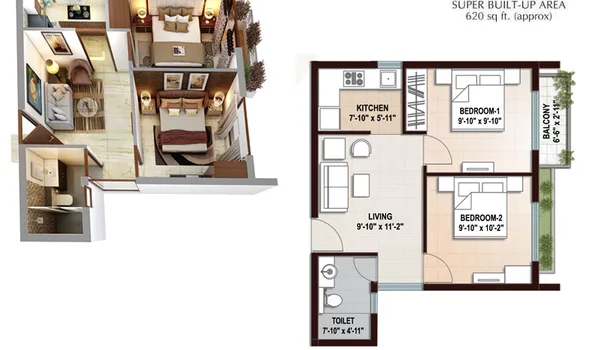
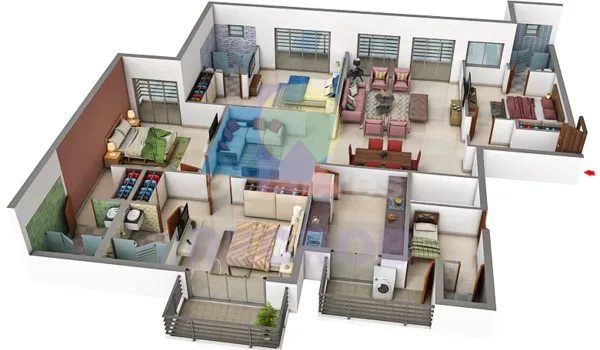
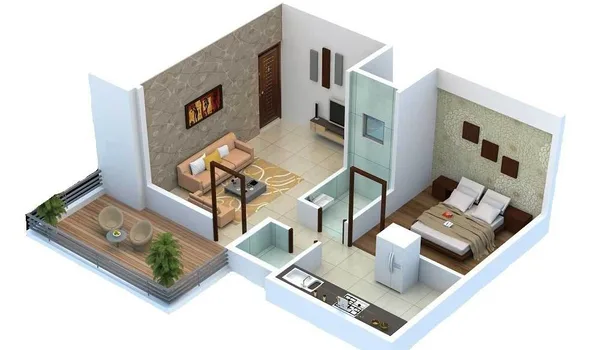
Once your budget, pre-approval and legal checklist are in place, the last step is to compare real options. Weigh the configuration-wise rates on the price list against the layouts on the floor plans so the home matches both your needs and your affordability, then request a written cost breakup through the contact page before you book.
Bottom line: use this guide as your journey map, confirm every figure with the right authority, and let the developer's live cost sheet be the final word on what you pay.
Frequently Asked Questions
1. How much home can I afford as a first-time buyer on Sarjapur Road?
Keep total EMIs within about 40 to 45% of your monthly income (a ratio lenders call FOIR) and save the down payment plus one-time costs first. These are indicative; get a written pre-approval for your real number.
2. Should a first-time buyer choose a pre-launch or ready-to-move home?
Both work. A pre-launch like Prestige Sarjapur Road has a lower entry price but you wait for possession around 2029; a ready home costs more but you move in now. Check K-RERA either way.
3. What are the steps to buy my first apartment on Sarjapur Road?
Roughly six stages: set your budget, get a loan pre-approval, shortlist and do site visits, run legal and RERA checks, book and sign the sale agreement, then register and take possession.
4. What documents should I check before booking an apartment?
Ask for the K-RERA number, title deed and encumbrance certificate, approved plan and commencement certificate, khata, tax receipts and, for a ready unit, the occupancy certificate. Have a lawyer verify the title.
5. What is K-RERA and why does it matter for first-time buyers?
K-RERA is the Karnataka Real Estate Regulatory Authority, where developers register projects with disclosed plans and timelines. Always confirm the live registration status on the K-RERA portal before you pay.
6. What is the biggest mistake first-time home buyers make?
Budgeting only for the base price and down payment while ignoring stamp duty, registration, GST and legal or khata charges. Also skipping the legal check or buying on emotion. Plan the full cost first.
Conclusion
Buying your first home on Sarjapur Road in 2026 is manageable once you follow the journey in order: set an honest budget, get pre-approved, shortlist and visit, run the legal and K-RERA checks, then book, register and take possession. Plan for the full cost rather than the sticker price, keep the EMI within a comfortable share of your income, and never skip the paperwork that protects your money. All affordability and government figures here are indicative, so confirm each with your lender, a lawyer and the sub-registrar. To act on it, compare Prestige Sarjapur Road's price list and floor plans, then request a written cost breakup through the contact page before you book.
Prestige Sarjapur Road Blog