Buying to Invest vs Buying to Live in Sarjapur Road 2026
Published 04 Jul 2026 · Last updated 04 Jul 2026

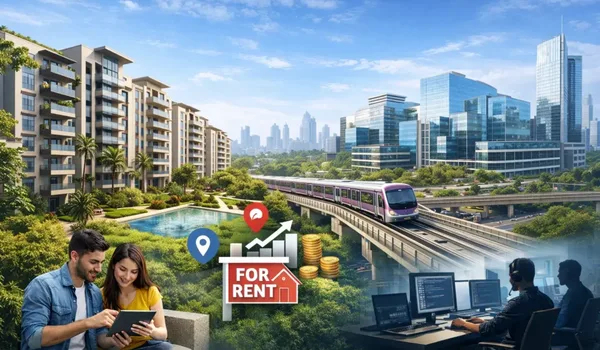
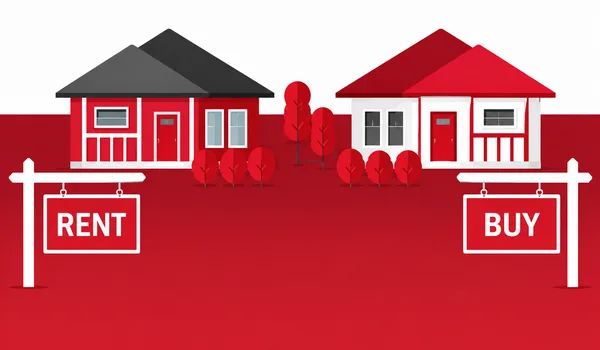
Before you compare projects on Sarjapur Road, answer one question: are you buying a home to live in, or an asset to earn from? The two goals judge the very same flat on different metrics, and the buyer who is clear about which one they are chasing makes a sharper decision. This guide sets the investor's lens against the end-user's — on yield, appreciation, cash flow and unit choice — and shows where the corridor fits each goal, so you can decide before you fall for a floor plan.
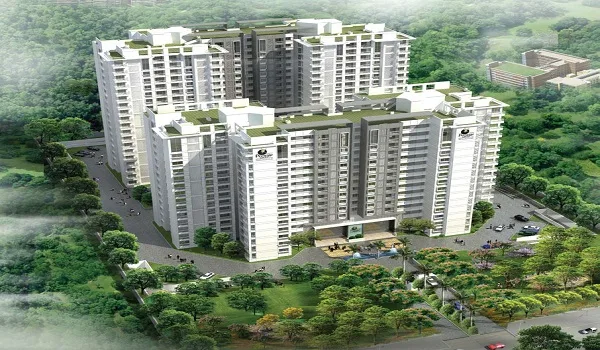
Our worked example is the featured pre-launch, Prestige Sarjapur Road by Prestige Group, offering 1, 2 and 3 BHK homes from about ₹68.25 L at Ittangur, with possession expected around 2029. Every yield, appreciation and EMI figure below is indicative; confirm current rents, prices and rates with the developer, a broker and your lender before you commit.
Invest vs Live at a Glance
The table sets the two goals side by side on what each buyer prioritises. Read down your own column — an investor and an end-user weigh the same features very differently.
| Dimension | Buying to invest | Buying to live |
|---|---|---|
| Primary goal | Rental income and capital appreciation | Comfort and a home that fits your life |
| Configuration | Compact 1 & 2 BHK that rent fast | 2 or 3 BHK sized to household needs |
| Location driver | Proximity to job hubs and tenants | Commute, schools, family and lifestyle |
| Key metric | Rental yield, appreciation, liquidity | Livability, EMI comfort, long-term fit |
| Time horizon | Driven by exit and returns | Long hold, occupy through the years |
| Emotion | Kept out of the decision | A legitimate part of the choice |
A framework, not a rule — many buyers blend both goals. Only Prestige Sarjapur Road is precisely priced (from ~₹68.25 L); yields and appreciation are indicative, as of July 2026.
The Case for Buying to Live
When you buy a home to live in, the return is not on a spreadsheet — it is the daily quality of your life. The decision rightly weighs how the flat fits your household, the real commute to work, nearby schools and hospitals, and whether the community suits how you want to live. Emotion has a legitimate seat at this table, because you will wake up in this home for years, not flip it in a cycle.
The financial discipline that still matters is keeping the EMI within a comfortable share of your income, roughly 40 to 45%, so the home enriches your life rather than straining it. An end-user can also value the certainty of a ready home, or accept a pre-launch wait to secure a better location or a lower entry price. Bottom line: as an end-user, buy for fit, comfort and a comfortable EMI — the payoff is how you live, not a resale multiple.
The Case for Buying to Invest
An investor buys a flat as an asset and judges it on cold numbers: the rental yield it throws off, the capital appreciation it may build, and how quickly it can be sold or let. Emotion is kept out of the decision. The location driver is proximity to jobs and tenants, which on this side of the city means the Outer Ring Road tech belt, because a dense workforce keeps compact homes occupied and rents firm.
Two returns matter, and they arrive differently. Rental yield is the annual rent as a share of the property value, and in Bengaluru residential yields are typically modest, so most of the long-run gain comes from appreciation rather than monthly rent. A patient investor therefore looks for an entry price with room to grow and a unit that is easy to let while it appreciates. Bottom line: as an investor, buy for yield, liquidity and appreciation near the job hubs — and leave emotion out of the maths.
How the Numbers Differ
The same flat produces a different calculation for each buyer. An investor nets the rent against the EMI, maintenance, property tax and vacancy, then weighs the shortfall against expected appreciation and any tax benefit. An end-user compares the EMI against the rent they would otherwise pay, and values the security and freedom of owning. The table lays out the levers each goal pulls.
| Factor | What it means for an investor | What it means for an end-user |
|---|---|---|
| Rental yield | Core income metric; higher is better | Matters only if you may let it later |
| Appreciation | The main long-run return | A bonus, not the reason to buy |
| EMI vs rent | Rent should cover as much EMI as possible | EMI replaces rent; keep it comfortable |
| Liquidity | Must be easy to sell or re-let | Less pressing on a long hold |
| Costs & vacancy | Directly eat into net returns | Recurring costs of ownership to budget |
Bottom line: an investor runs the rent-minus-costs-plus-appreciation maths; an end-user simply needs an EMI they can carry comfortably for years.
Unit and Configuration Choice
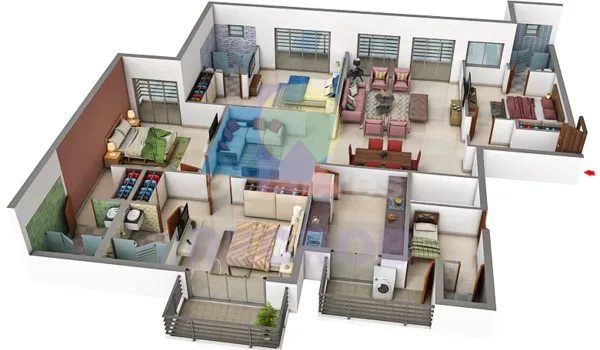
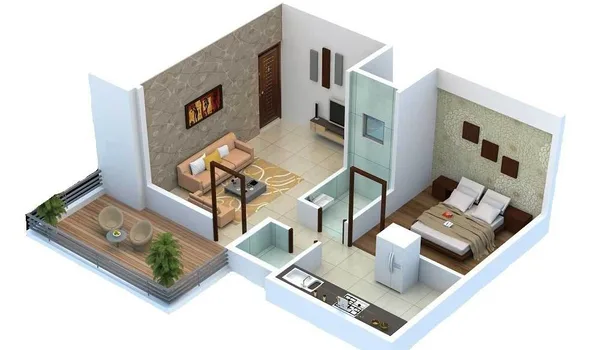
Your goal should steer the configuration. For an investor, compact 1 and 2 BHK homes usually rent fastest and give the better yield, because the tenant pool for smaller units near the tech belt is the widest and the ticket is lower. Prestige Sarjapur Road's genuine 1 BHK supply is relatively rare on the corridor, which makes it worth a look for a rental-focused buyer.
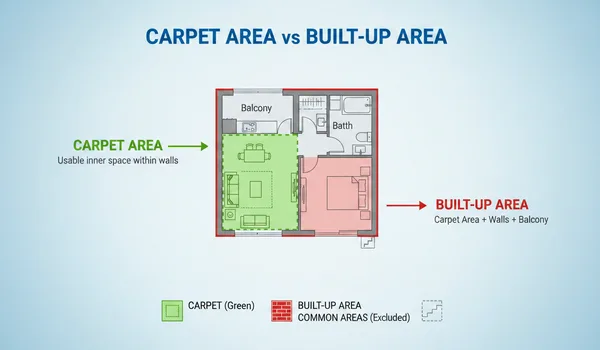
For an end-user, the right configuration is the one that fits the household — often a 2 or 3 BHK with room to grow, chosen for livability rather than rentability. Whichever goal you hold, judge the flat on its RERA carpet area and confirm the disclosed figure on the K-RERA registration once it is issued at launch. Bottom line: investors lean compact for yield and liquidity; end-users size the home to the household — let the goal pick the configuration.
Where Sarjapur Road Fits Each Goal
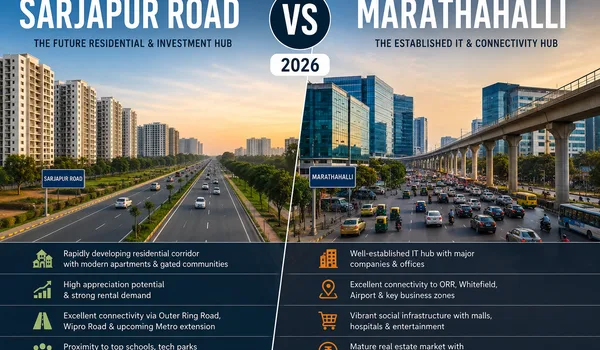
The corridor answers to both goals, which is part of its appeal. For an investor, the Outer Ring Road tech belt supplies the tenant demand and the appreciation runway that make a compact home work as an asset, and a low-entry pre-launch offers time for value to build before possession. For an end-user, the same connectivity, plus schools, hospitals and shopping, makes it a practical place to actually live.
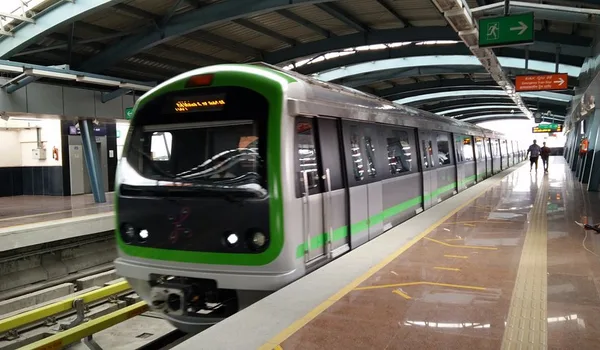
Infrastructure adds a shared upside: the approved Sarjapur-to-Hebbal Namma Metro line is planned but not yet running, so treat it as future potential for both appreciation and daily convenience rather than a working link today. A pre-launch such as Prestige Sarjapur Road suits a patient investor chasing appreciation and an end-user willing to wait for a lower entry price alike. Bottom line: Sarjapur Road serves both goals — job-led rental demand for investors, and connectivity plus amenities for end-users.
How to Decide
Decide the goal first, then let it drive every other choice. If you will occupy the home, buy for fit, comfort and an EMI you can carry, and treat appreciation as a bonus. If you are buying for returns, buy for yield, liquidity and appreciation near the job hubs, keep emotion out, and run the rent-minus-costs maths honestly. The costly mistake is blurring the two — paying an end-user's price for lifestyle features on a flat you meant to rent, or buying a hard-to-live-in unit because it looked good on a yield sheet.
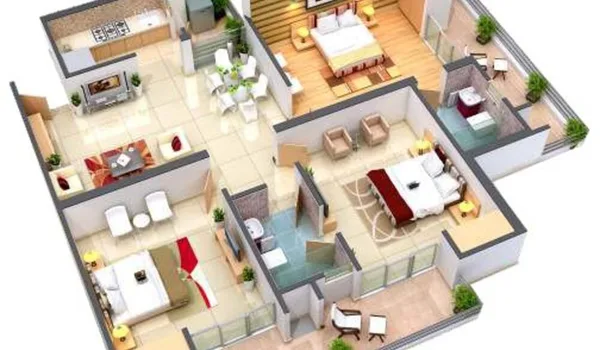
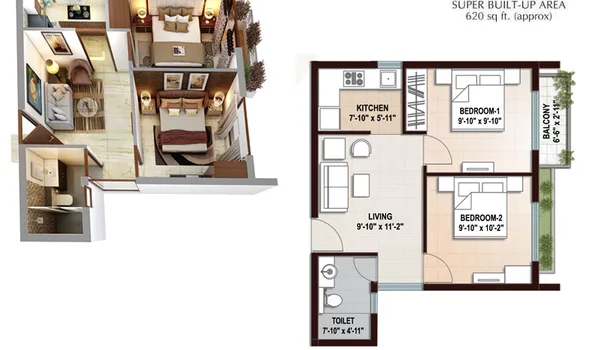
Once your goal is set, compare the configuration-wise rates on the price list against the layouts on the floor plans, and benchmark rents and prices against current market data before you commit. Bottom line: name your goal before you shop, then judge every flat by that goal's metrics — clarity, not compromise, gets the best outcome.
Frequently Asked Questions
1. Is Sarjapur Road better for investment or to live in?
It works for both. The job-dense Outer Ring Road belt supports rental demand for investors, while corridor connectivity and amenities suit end-users. Your goal, not the location, decides the answer.
2. What is the difference between buying to invest and buying to live?
An investor prioritises rental yield, appreciation and liquidity; an end-user prioritises comfort, location fit and lifestyle. The same home is judged on different metrics for each goal.
3. Which configuration is best for an investor on Sarjapur Road?
Compact 1 and 2 BHK homes usually rent fastest and give the better yield, so they suit investors. End-users often prefer a larger 2 or 3 BHK for comfort.
4. What rental yield can I expect on Sarjapur Road?
Residential yields in Bengaluru are typically modest, in low single digits, with the main return coming from appreciation. Treat any yield figure as indicative and verify current rents.
5. Is a pre-launch good for investment?
A pre-launch like Prestige Sarjapur Road offers a low entry price and appreciation runway to possession around 2029, but you wait for rent. It suits patient investors, not those needing income now.
6. How do I decide between investing and living?
Ask why you are buying: for a home you will occupy, buy for fit and comfort; for returns, buy for yield, liquidity and appreciation. Do not mix the two goals.
Conclusion
Buying to invest and buying to live are two different decisions wearing the same clothes. Name your goal first: an end-user should buy for fit, comfort and a comfortable EMI, treating appreciation as a bonus; an investor should buy for yield, liquidity and appreciation near the job hubs, and keep emotion out of the maths. Sarjapur Road serves both, thanks to job-led rental demand and genuine end-user connectivity, with a low-entry pre-launch that suits a patient investor and a wait-friendly buyer alike. All yield and appreciation figures here are indicative, so confirm rents, prices and your loan with the right sources. To act on it, compare Prestige Sarjapur Road's price list and floor plans, then request a written cost breakup through the contact page before you book.
Prestige Sarjapur Road Blog